
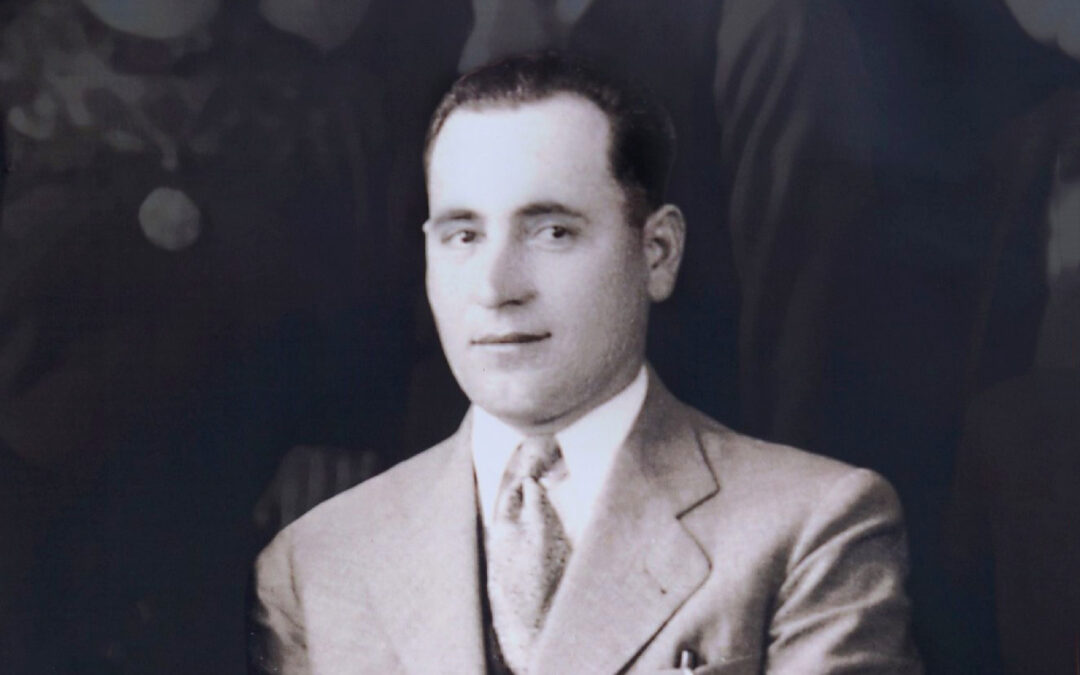
Miljko Petrović Riža, one of the richest people in Kraljevo in the interwar period, was born in 1902 in the village of Dragosinjci. His father Ignjat was one of the wealthiest people in the village, but he did not base his wealth on agriculture but rather built his fortune with a mill and a cloth rolling mill, as well as a tavern with a shop. Like his father, Miljko did not want to engage in agriculture. From an early age, he showed a talent for innovation. He remodeled the family mill, making a 16-meter-diameter mill wheel with a bucket system. Unlike the others, this mill could also work when the water level was low, so peasants from surrounding villages also came to it.
A major turning point in his life was his marriage. When he was 19, he married Stevka Kamidzorac, who was two years younger than him. This marriage caused great dissatisfaction among his family, who believed that the family business had started poorly because of the bad luck that his daughter-in-law had brought into the house. Because of this, Miljko decided to leave the family home. Stevka’s father, Milan, the former president of the Kamenica municipality, helped his son-in-law. Thanks to his father-in-law, he rented the turner Petar Bogavac in Cerovik, which was almost neglected. He renovated the turner and built a road to the forest fences, from where he dragged logs by horse. In the meantime, he met a Greek merchant, a certain Dima, who began to buy up all the wood that Petrović produced. Encouraged by this, he decided to expand his business and build a new turner in Risovac, on Čemerno, where there were large, still untouched forest complexes.
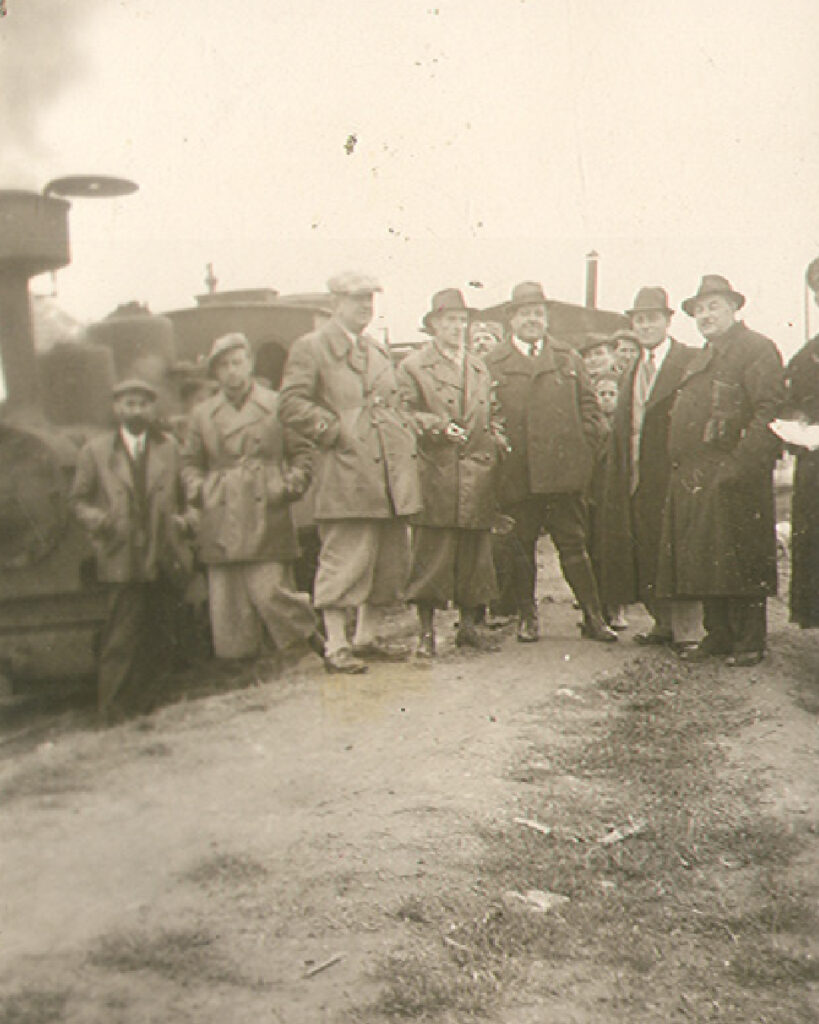
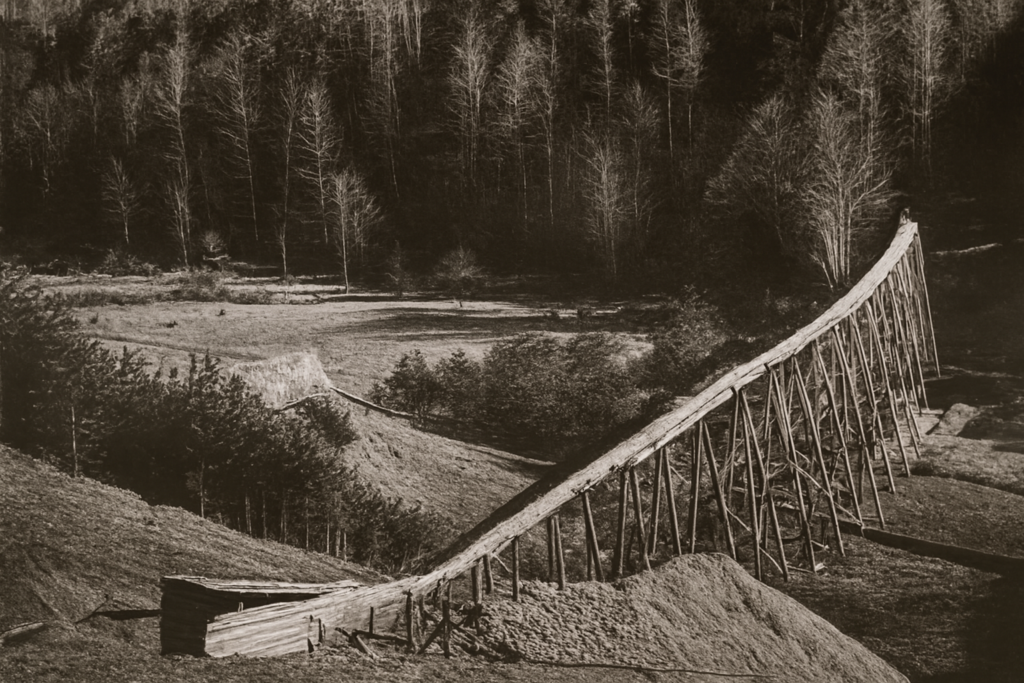
The biggest problem with the new woodcutter was transporting the timber from the woodcutter to the Dobre Vode railway station, on the Kraljevo-Raška railway. The way Petrović solved this problem confirmed his innovativeness, which he had shown since his early youth, but also gave him a new nickname: Rice. He built a water-powered rice, made of three planks that formed a bed, and used it to transport the timber to the railway. The rice followed the course of the Dubočica, a tributary of the Ibar River, whose water flowed freely through the rice. The water-powered chute could transport 1,000 cubic meters of timber in 16 hours. Thanks to cheap transport, Petrović’s timber was the most affordable on the Kraljevo market.
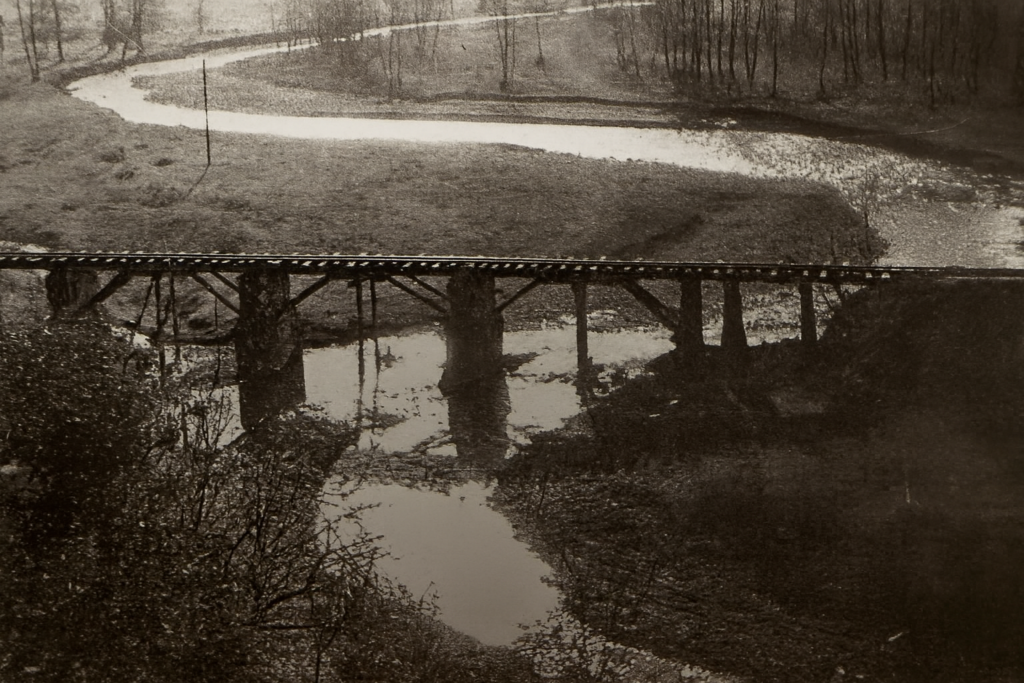
Petrović invested the capital he acquired in this way in other businesses, mainly in real estate. He bought forests, but also houses, plots of land and shops in Kraljevo, where he moved his company headquarters in 1935. In the second half of the 1930s, he built another water mill, this time on the Goč River, which was used to transport timber to the railway station in Sokolja. Sokolja was located on a narrow-gauge railway, which the Austrians built during the occupation of these regions in World War I, and which was known as the Gočka pruga. In the town itself, Petrović built a modern woodturning mill in 1940. Before the start of Second World War, he employed around 3,000 workers. In addition to his company (which was called the Miljko Petrović Timber and Firewood Industry), he owned about fifteen houses, the hotels “Jugoslavija” and “Nacional”, three shops and a two-hectare plot of land in the city center. In the 1936 elections, he was elected president of the Kamenica municipality, and two years later, a member of parliament (on the list of the Yugoslav Radical Community).
The beginning of World War II in Yugoslavia brought great problems to Miljko Petrović. After he fled with his children to Goč, where a partisan detachment was formed, the Germans declared him one of the organizers of the attack on Kraljevo. First they arrested his wife, and then him. His property was confiscated. Thanks to his pre-war political connections, he was released and his property was returned to him, but only on the condition that his industrial enterprise start working for the government of Milan Nedić. During the retreat from Kraljevo in the fall of 1944, the Germans completely destroyed Petrović’s lathe.
The fact that Petrović’s lathe was operating during the war served as a pretext for a new confiscation of his property, this time by the communist authorities. Declared a war criminal and enemy, he spent five months hiding in the surrounding villages. He voluntarily surrendered after learning that people’s courts had been formed. He was tried before the Court for the Trial of Crimes and Offenses against Serbian National Honor on June 2nd, 1945. According to some sources, he avoided trial before the Military Court (which imposed significantly harsher sentences) thanks to Slobodan Penezić Krcun, whom he helped escape from prison in late 1941. In addition to his business cooperation with the occupier, old personal conflicts also played a role in his conviction. Namely, Dragutin Šošić, who in the meantime had become a captain in the People’s Liberation Army of Yugoslavia, was in love with his daughter during the war. Petrović reported him for attempting to kidnap her in 1943, for which Šošić was sent to forced labor in Germany. Along with Šošić’s report, another one was filed, accusing Miljko Petrović of collaborating with the Germans and enriching himself during the war. He did not contest the charges. He admitted that the mill operated at reduced capacity during the occupation, but he claimed that he used his money to help the poor residents of Kraljevo and the surrounding area. His claims were supported by written statements from several witnesses. He also employed workers fictitiously, in order to save them from being sent to forced labor in the Bor mine. In the end, the court sentenced Miljko Petrović to the loss of his civil honor, seven years of hard labor, and the confiscation of all his property.
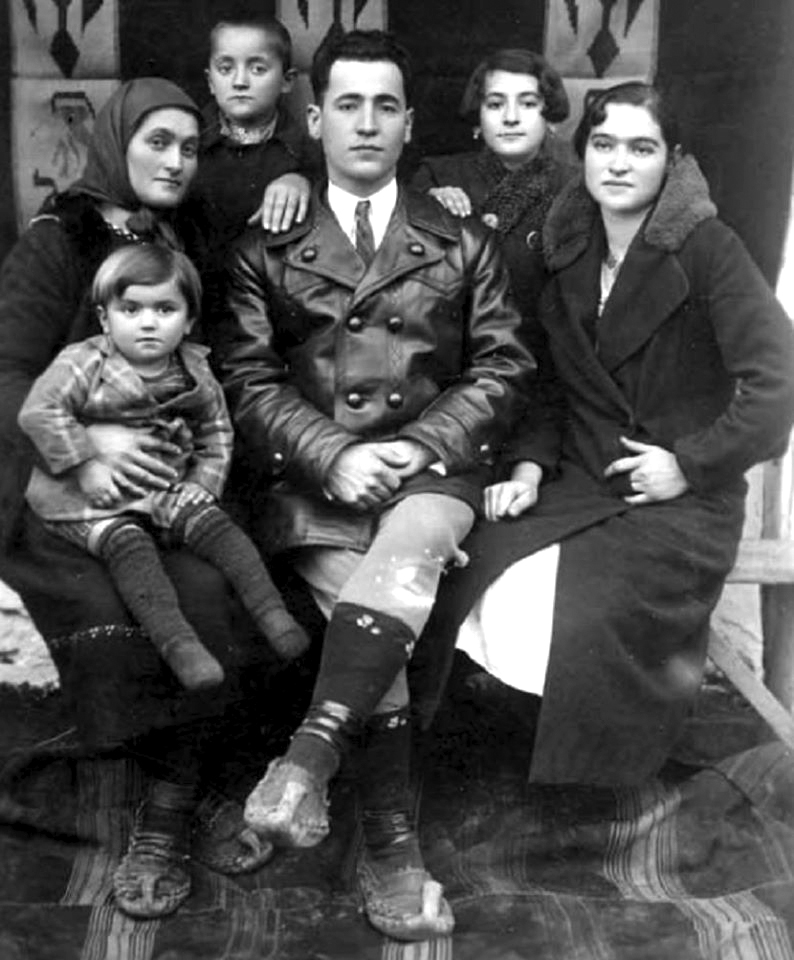
In addition to Miljko, two other members of the Petrović family were sent to serve their sentences. His son Dragutin was sentenced to a year and a half in prison for organizing an escape from the Yugoslav Army, and his daughter Verica to five years of forced labor for organizing an illegal anti-communist organization. Left alone with two children, Stevka Petrović supported her family by working as a cleaner in her husband’s former company, where she was exposed to daily insults. All family members were pardoned and released in 1947. Since his release, Miljko Petrović Riža has mostly done jobs that few people wanted. In the mid-1950s, he found employment in Montenegro, where he worked on the organization of forest exploitation, but that job was soon taken away from him because he was found to be involved in business. For the rest of his life, he tried to obtain a pardon and overturn the 1945 verdict, but without success. He died in 1968 in Kraljevo.
Milena Baltić
Historian, Editor of the Education and Scientific Program
of the Official Internet Presentation of the National Museum Kraljevo