News

51st Children’s May Art Salon Opened

51st Children’s May Art Salon Opened

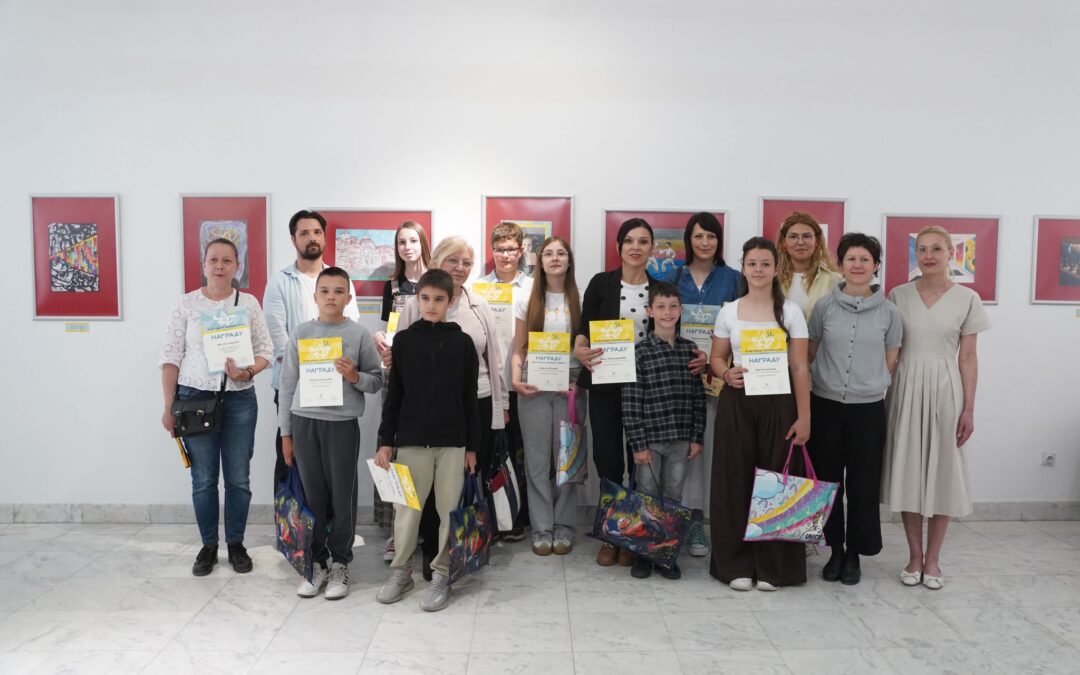
At the Gallery of the National Museum Kraljevo, the 51st Children’s May Art Salon was ceremonially opened. The oldest and most significant manifestation of children’s artistic creativity in our city once again gathered young talents this year. The competition had no set theme, and the response was excellent. As many as 434 works were submitted by pupils from 13 elementary schools in the territory of Kraljevo. The Jury selected 139 of the best works for the exhibition.

Promotion of the Book by Aleksandra Vuletić “Marriage in Modern Serbia” Held

Promotion of the Book by Aleksandra Vuletić “Marriage in Modern Serbia” Held

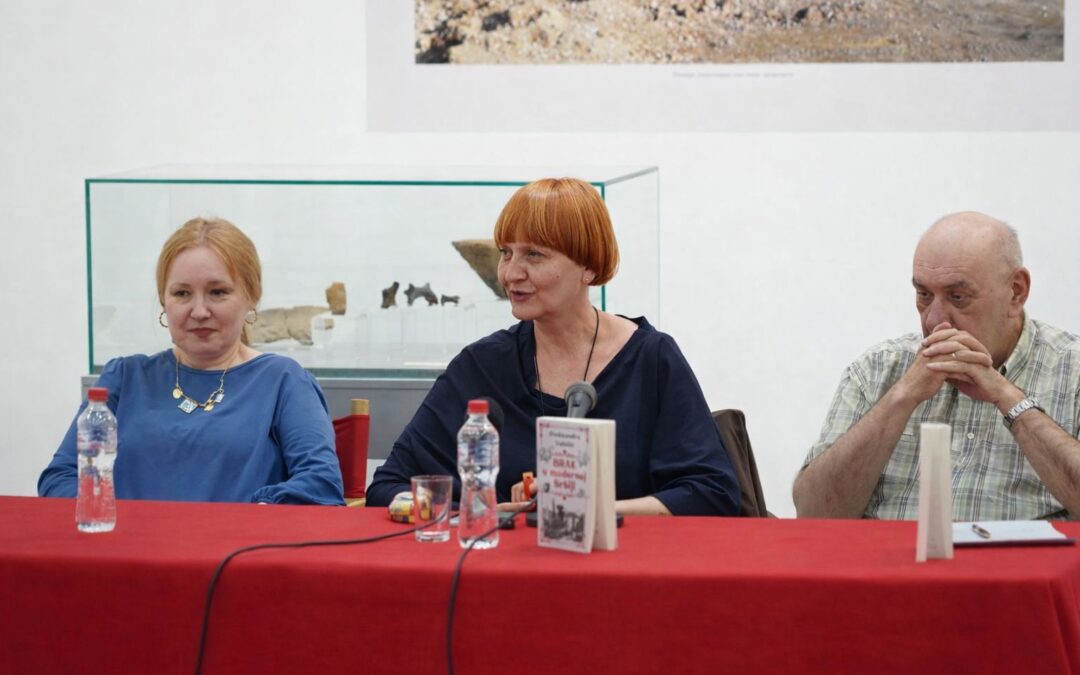
At the Gallery of the National Museum in Kraljevo, the promotion of the book “Marriage in Modern Serbia” by Aleksandra Vuletić, senior research associate of the Institute of History in Belgrade, was held. This historiographical work is the result of many years of research and provides a new, comprehensive view of the institution of marriage in Serbia during the nineteenth and twentieth centuries – in the period when the modern Serbian state and society were being formed.

Promotion of the Journal “Our Past” 23 Held

Promotion of the Journal “Our Past” 23 Held

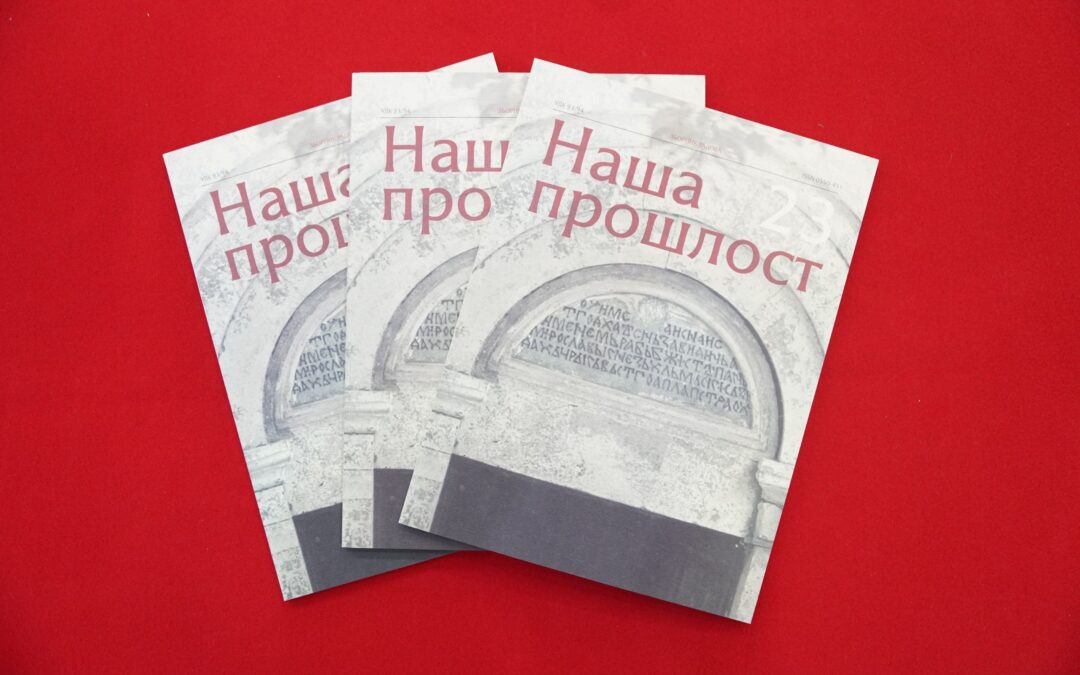
The promotion of the journal “Our Past” 23 was held at the Gallery of the National Museum Kraljevo on Friday, April 17th, 2026. The new issue contains a total of nine papers in the fields of archaeology, history, and anthropology, as well as three reviews of publications and exhibitions. The papers were presented by Gordana Gavrić, Dr. Miloš Matić, and Žarko Ilić, PhD. The editor, Tatjana Mihailović, PhD, spoke about the journal as a whole.

Promotion of the Collection of Papers “Culture of Memory: Children in War and From War” Held

Promotion of the Collection of Papers “Culture of Memory: Children in War and From War” Held

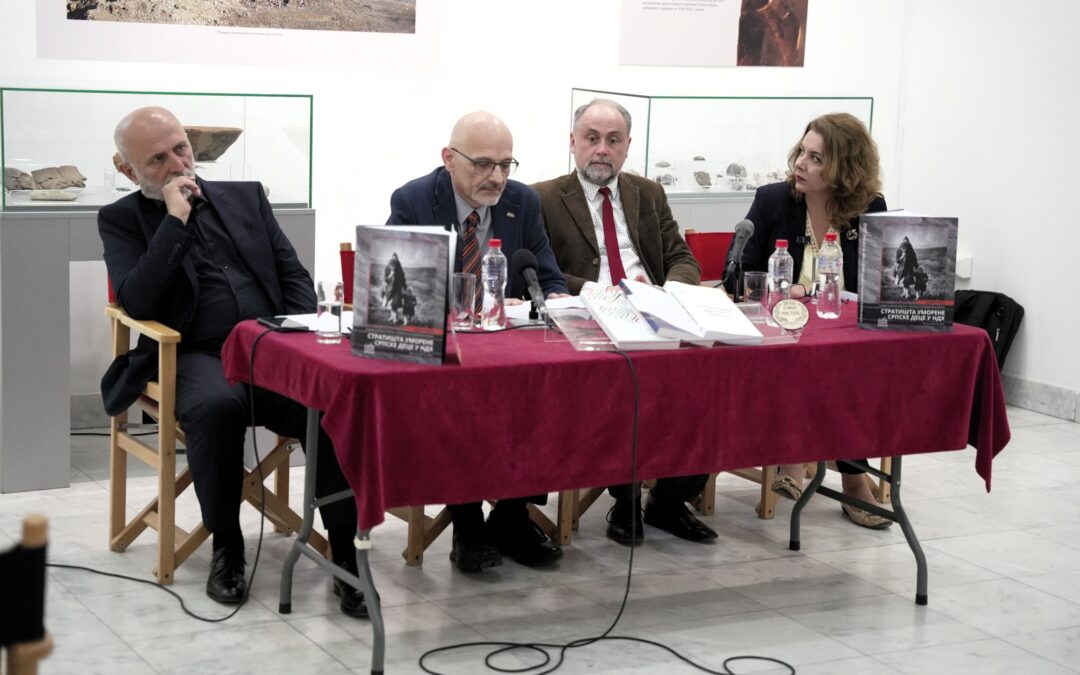
The Collection of Papers “Culture of Memory: Children in War and from War” makes an important contribution to the study of the position and suffering of children in wartime circumstances, a topic that has long been on the margins of scholarly and public interest. The collection points to the importance of the culture of remembrance as a value that not only serves to preserve the past from oblivion but also encourages contemporary society to draw lessons from historical experiences and act responsibly toward the future. Society has the obligation to view children exclusively as those who must be protected, and not as actors in wartime events.

Promotion of the monograph “Miomir Vukobratović: Pioneer of Robotics” Held

Promotion of the monograph “Miomir Vukobratović: Pioneer of Robotics” Held

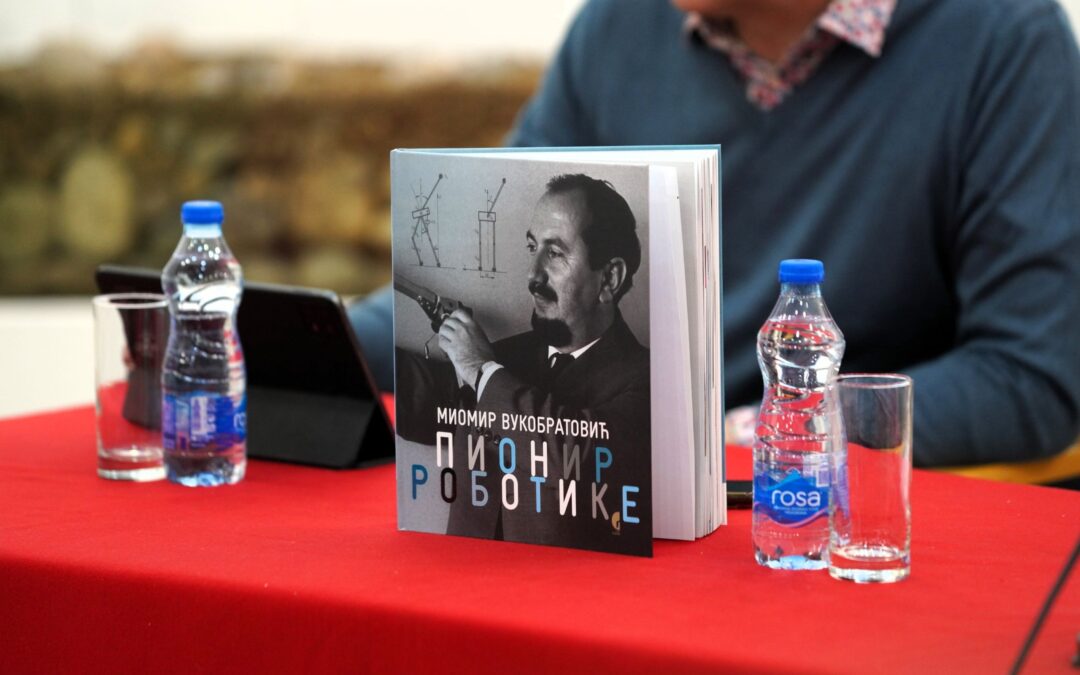
The monograph “Miomir Vukobratović: Pioneer of Robotics,” prepared by Ivan Stanić, brings the story of the life and work of one of the pioneers of humanoid robotics and represents a tribute to a man who, with his vision, innovation, and dedication to science, left a deep and lasting mark in the world’s scientific heritage. It is intended for all who love inspiring stories about great personalities, innovators, and visionaries, as well as for those who wish to understand how knowledge, curiosity, and perseverance can change the world.

Lecture by Bojana Stevanović “The Serbian Royal Portrait in the Age of King Milutin” Held

Lecture by Bojana Stevanović “The Serbian Royal Portrait in the Age of King Milutin” Held

The lecture by Bojana Stevanović “ The Serbian Royal Portrait in the Age of King Milutin” presented an analysis of numerous examples of frescoes from medieval churches, among which depictions of King Milutin and his contemporaries were highlighted. Particular emphasis was placed on the influence of Byzantine art, which in this period was more pronounced than before, especially after the marriage of King Milutin with Simonida.

Pomotion of the Book by Miloš Timotijević “Nadežda Petrović: Life and Art in the Service of the Nation” Held

Pomotion of the Book by Miloš Timotijević “Nadežda Petrović: Life and Art in the Service of the Nation” Held

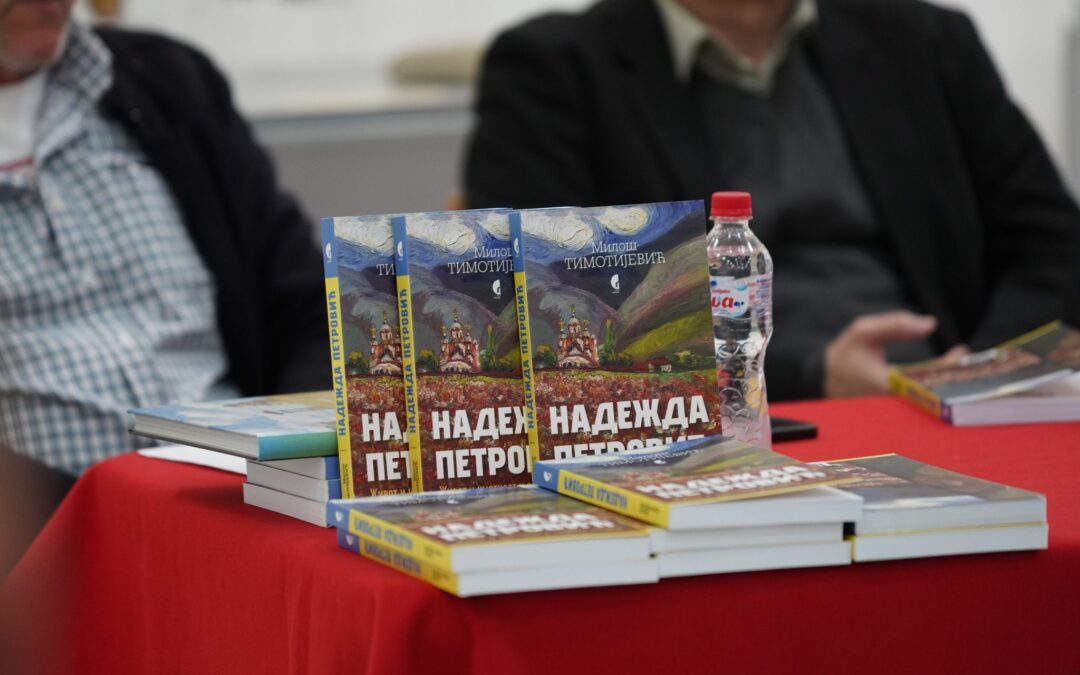
The book by Miloš Timotijević on Nadežda Petrović represents a comprehensive historical study that places her life and activity within the broader political, cultural, and ideological framework of the era, relying on rich archival material. The author connects her artistic creativity with national and social engagement, emphasizing that she was part of a wider, European‑oriented liberal nationalism. This work brings fresh interpretations and shows that even about already studied figures there is always room for new knowledge and deeper understanding.

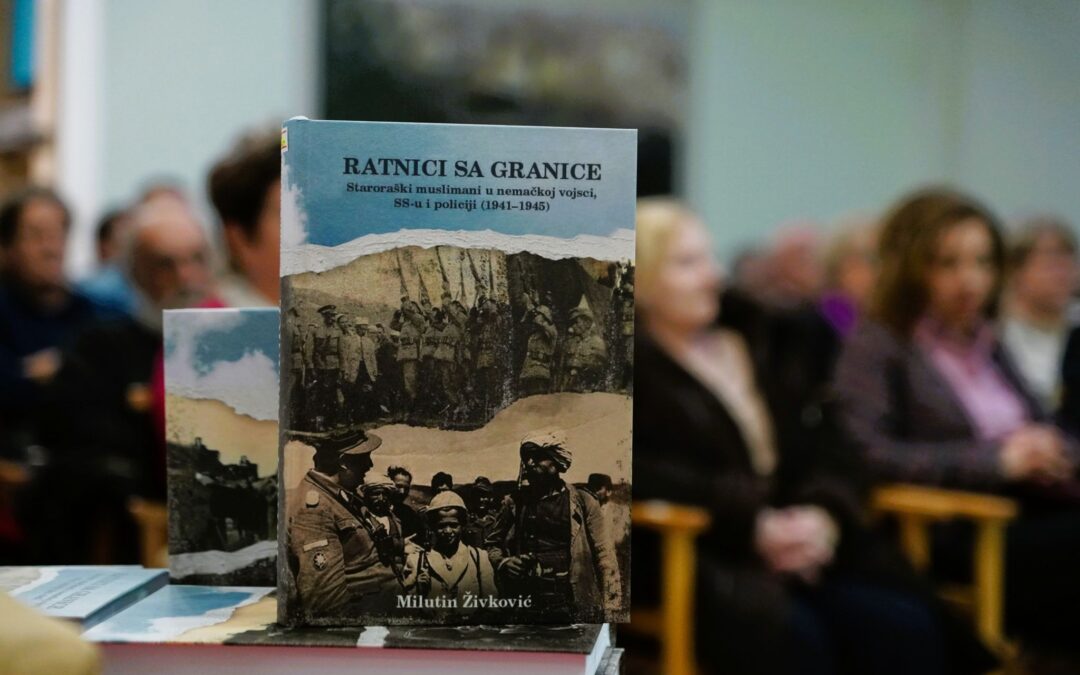
Promotion of the Book by Milutin Živković „Warriors from the Border. Muslims from Stara Raška in the German Army, SS and Police from 1941-1945.” Held

Promotion of the Book by Milutin Živković „Warriors from the Border. Muslims from Stara Raška in the German Army, SS and Police from 1941-1945.” Held

The engagement of Old Raška Muslims in the armies of foreign powers during the Second World War is viewed as part of a broader historical continuity of cooperation with great powers in conditions of political insecurity and local conflicts. That cooperation was motivated by the need for protection, the political interests of the local elite, and wartime circumstances, and was especially intensified after the capitulation of Italy in 1943 under strong German propaganda and organizational influence. The German‑Muslim alliance reached its peak in 1944, but soon collapsed with the change of wartime circumstances and the withdrawal of German forces.

Exhibition “Lojanik: Prehistoric Jasper and Opal Quarry” Opened

Exhibition “Lojanik: Prehistoric Jasper and Opal Quarry” Opened

The exhibition “Lojanik: Prehistoric Jasper and Opal Quarry” represents the culmination of a long‑term research process, which included thorough fieldwork, analytical approach, and great professional dedication. It is also the result of successful cooperation between various institutions, experts, and individuals, who through joint efforts contributed to bringing the complex and important topic of prehistoric quarries closer to the contemporary visitor. Thanks to this exhibition and the recently published monograph on Lojanik, the distant past becomes visible, understandable, and actively present in the contemporary cultural discourse, as an important part of our collective heritage and identity.

Pin It on Pinterest