Events

Views Navigation

Event Views Navigation

Today
  • Author’s Guidance Through the Exhibition “Journey to the East of King Milan Obrenović”

    National Museum Kraljevo Trg Svetog Save 2, Kraljevo, Србија

    Author’s guidance by Snežana Cvetković, PhD, through the exhibition “Journey to the East of King Milan Obrenović: Pilgrimage and Oriental Culture at the Serbian Court” offers visitors a chance to uncover the stories and symbols hidden within objects, photographs, and reconstructions, and to step into a time when the Serbian ruler sought meaning, refuge, and inspiration – as the scents, colors, and light of the Orient entered the history and daily life of the royal court.
  • Women’s Painting Manuscript of Kovačica Naïve Painting: From Needle and Thread to UNESCO

    National Museum Kraljevo Trg Svetog Save 2, Kraljevo, Србија

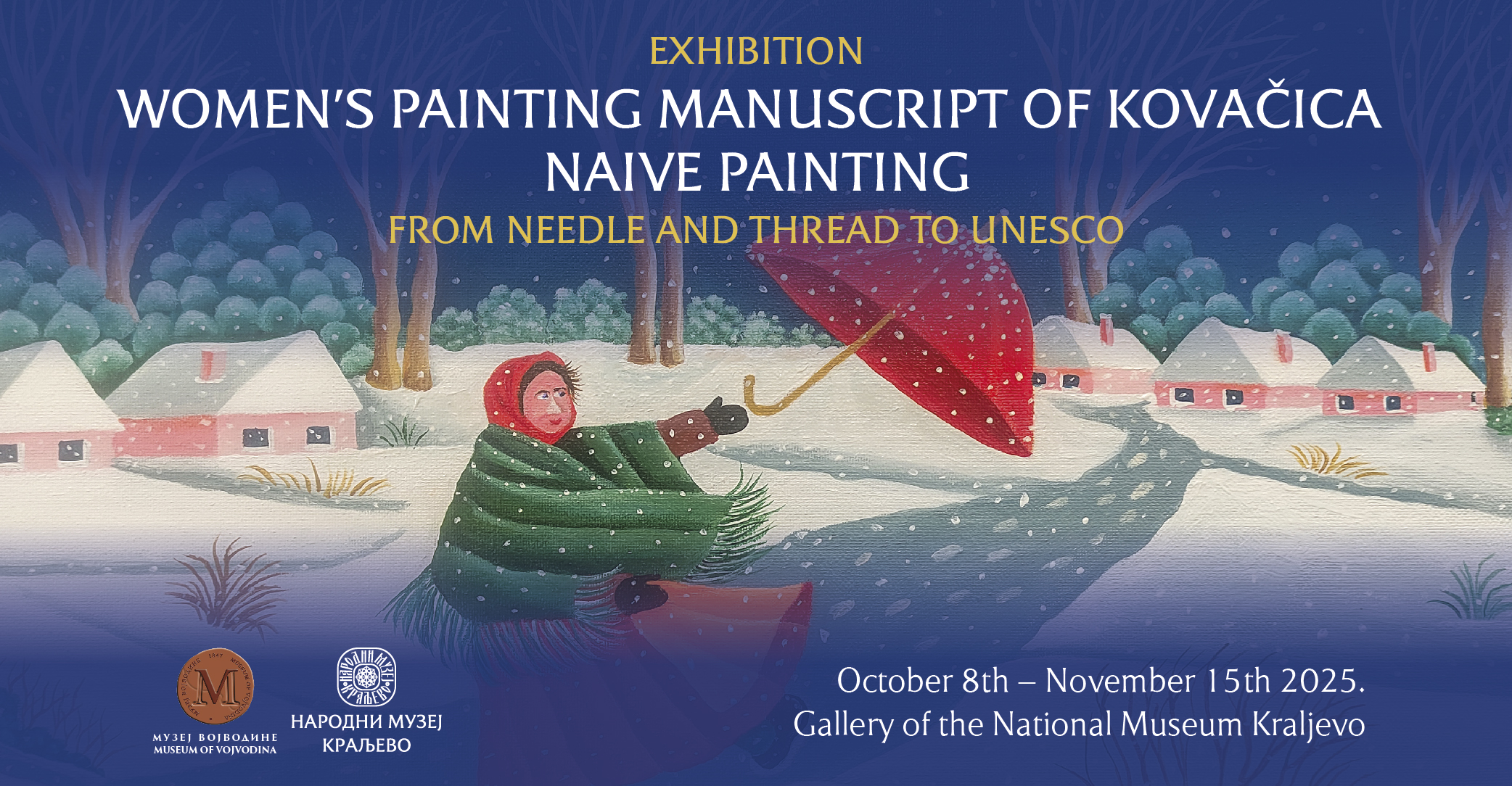
    The exhibition “Women’s Handwriting in Kovačica Naïve Painting: From Needle and Thread to UNESCO” is inspired by the inscription of Kovačica naïve painting on UNESCO’s Representative List of the Intangible Cultural Heritage of Humanity in December 2024. It features works by 30 women artists who have made significant contributions to the development of this artistic phenomenon.

  • The Two Faces of War

    Multimedia Center “Kvart” Cara Lazara 34, Kraljevo, Serbia

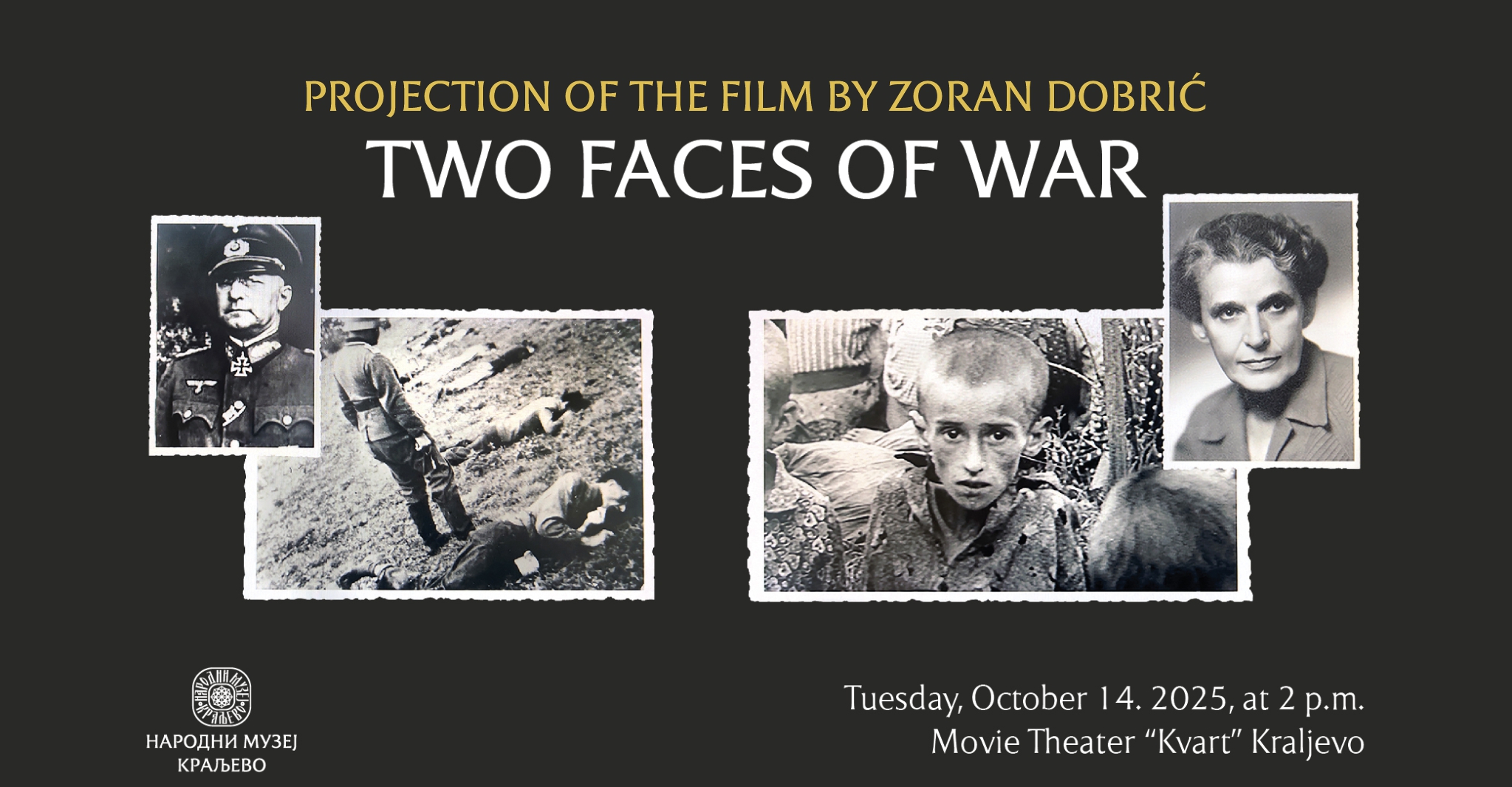
    The documentary film “The Two Faces of War”, by Zoran Dobrić, a journalist, documentary filmmaker and professor of journalism at the University of Vienna, was produced by the Austrian national television ORF. The main theme of the film is the lesser-known role of Austrian citizens in World War II in the occupied Kingdom of Yugoslavia.

  • Development of Towns in Western Pomoravlje in the 19th and 20th Centuries

    National Museum Kraljevo Trg Svetog Save 2, Kraljevo, Србија

    The scientific conference “Development of Towns in Western Pomoravlje in the 19th and 20th Century” is dedicated to the urban evolution of Čačak, Užice, Kraljevo, Trstenik, Kruševac, and Gornji Milanovac over two centuries of profound social, economic, and urban transformation. Special emphasis is placed on industrialization, infrastructure development, demographic shifts, and the emergence of modern urban centers that have shaped this region of Serbia.

  • It Isn’t Simple as Bosa: History and Culture of the Bozadji’s Craft

    National Museum Kraljevo Trg Svetog Save 2, Kraljevo, Србија

    The Museum of Spoonseats presents a cultural exploration of boza, a fermented sweet beverage with roots in the Middle East and a long tradition across the Balkans. Introduced to Serbia in the early 19th century by southern artisans, boza became a staple in pastry shops like Pelivan, often served with traditional desserts. The exhibition traces boza’s historical, literary, and cultural significance, from its role in nourishing Janissaries to its portrayal in Orhan Pamuk’s novel, and its place in folk songs and sayings. Visitors will discover how this humble drink reflects shared heritage, identity, and imagination across generations.

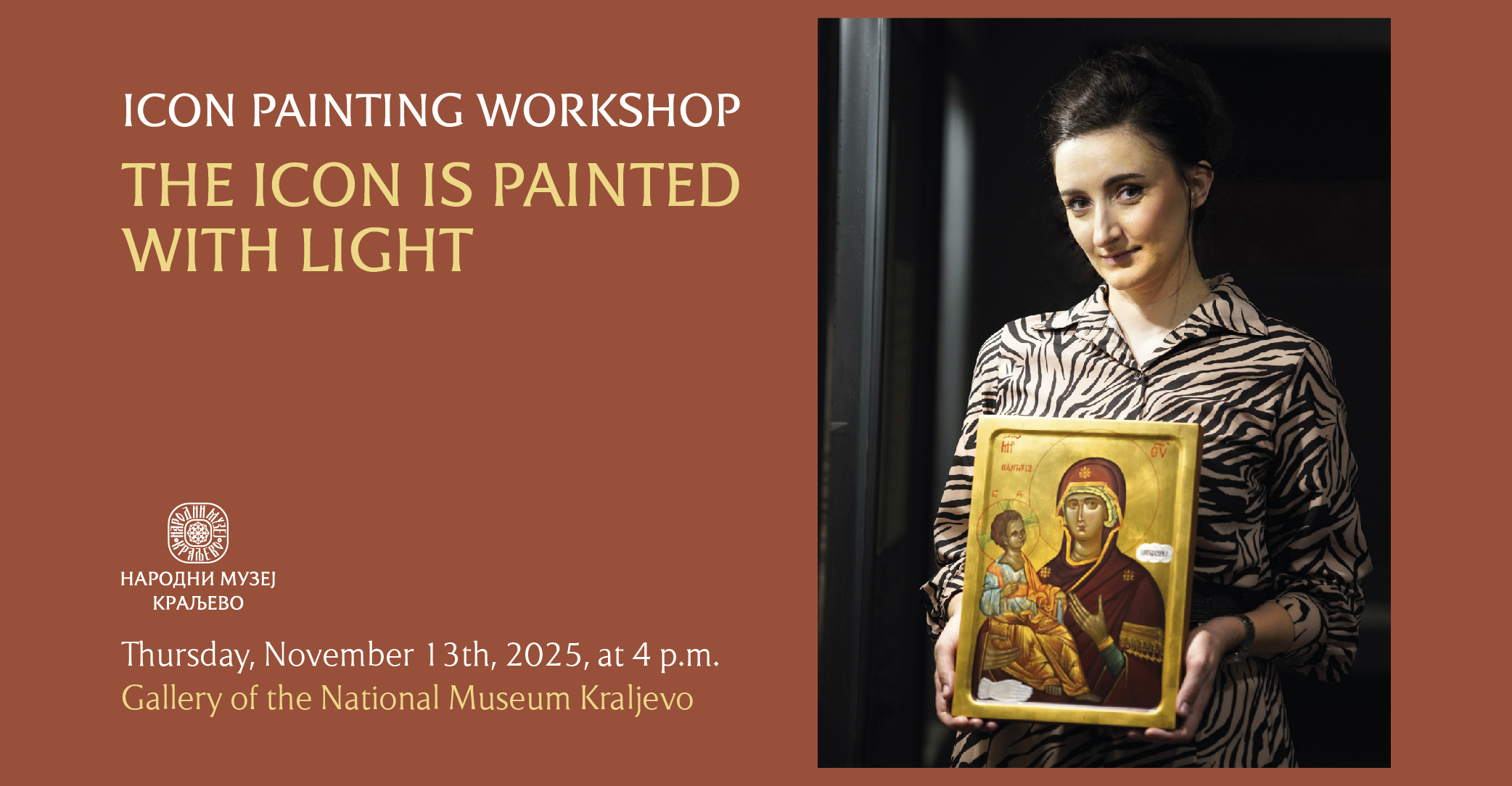
  • Icon is Painted with Light

    National Museum Kraljevo Trg Svetog Save 2, Kraljevo, Србија

    The workshop is intended for all those who wish to gain a deeper understanding of the fundamentals of icon painting, the symbolism of colors, and the visual language of Orthodox icons. Under the expert guidance of iconographer, academic painter, and restorer Marija Topalović, participants will have the opportunity to engage in hands-on creative work and, through the process of creation, better understand the spiritual and artistic value of the icon.

  • Crime and Punishment: The Fate of the Wehrmacht Officers Responsible for the Massacre in Kraljevo and Kragujevac in 1941

    National Museum Kraljevo Trg Svetog Save 2, Kraljevo, Србија

    On the occasion of the 84th anniversary of General Franz Böhme’s last day in Serbia, the National Museum Kraljevo will host a lecture on the Wehrmacht officers responsible for the massacres in Kraljevo and Kragujevac in 1941. In addition to Böhme, special emphasis will be placed on Major Otto Desch, the direct commander of mass executions, whose postwar fate, along with that of many of his comrades, remains little known or insufficiently researched.

  • Stefana Savić – This Is Not the Place

    National Museum Kraljevo Trg Svetog Save 2, Kraljevo, Србија

    The exhibition of photographs and video works by Stefana Savić “This Is Not The Place”, invites viewers to confront their own layers of memory. As the gaze moves through empty spaces, arranged interiors, and glimpses of urban landscapes, it reveals that the place we return to often does not coincide with the one we carry within ourselves. In this dissonance emerges the poetics of the exhibition – a space where the image becomes a question, and memory its silent interlocutor.

  • Lojanik: Prehistoric Jasper and Opal Quarry

    National Museum Kraljevo Trg Svetog Save 2, Kraljevo, Србија

    Lojanik is a unique paleobotanical site where fossil remains of silicified, petrified wood have been discovered. It was designated a scientific research reserve in 1963. Archaeological investigations conducted between 2016 and 2022 unequivocally confirmed the mining concept of raw material extraction at Lojanik, spanning from the Paleolithic (Old Stone Age) to the Neolithic (New Stone Age).

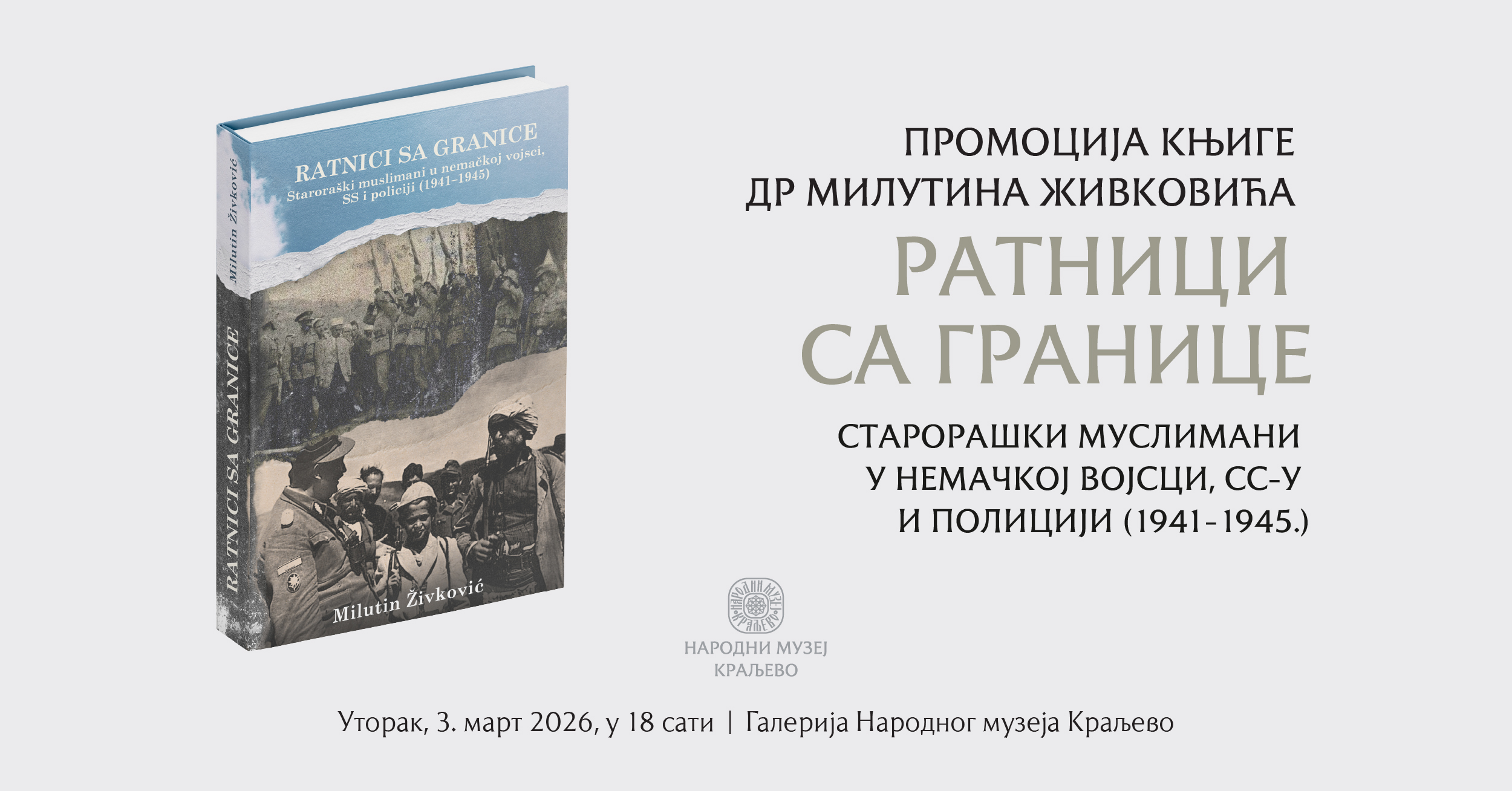
  • Warriors from the Border. Muslims from Stara Raška in the German Army, SS and Police (1941-1945.)

    National Museum Kraljevo Trg Svetog Save 2, Kraljevo, Србија

    The monograph offers readers answers to questions about the reasons for the collaboration of Muslims with the Germans, the extent of that process and its ultimate scope, the differences between participation in German units and fighting alongside them, the social and economic background of the “warriors from the border”, as well as their postwar fate.

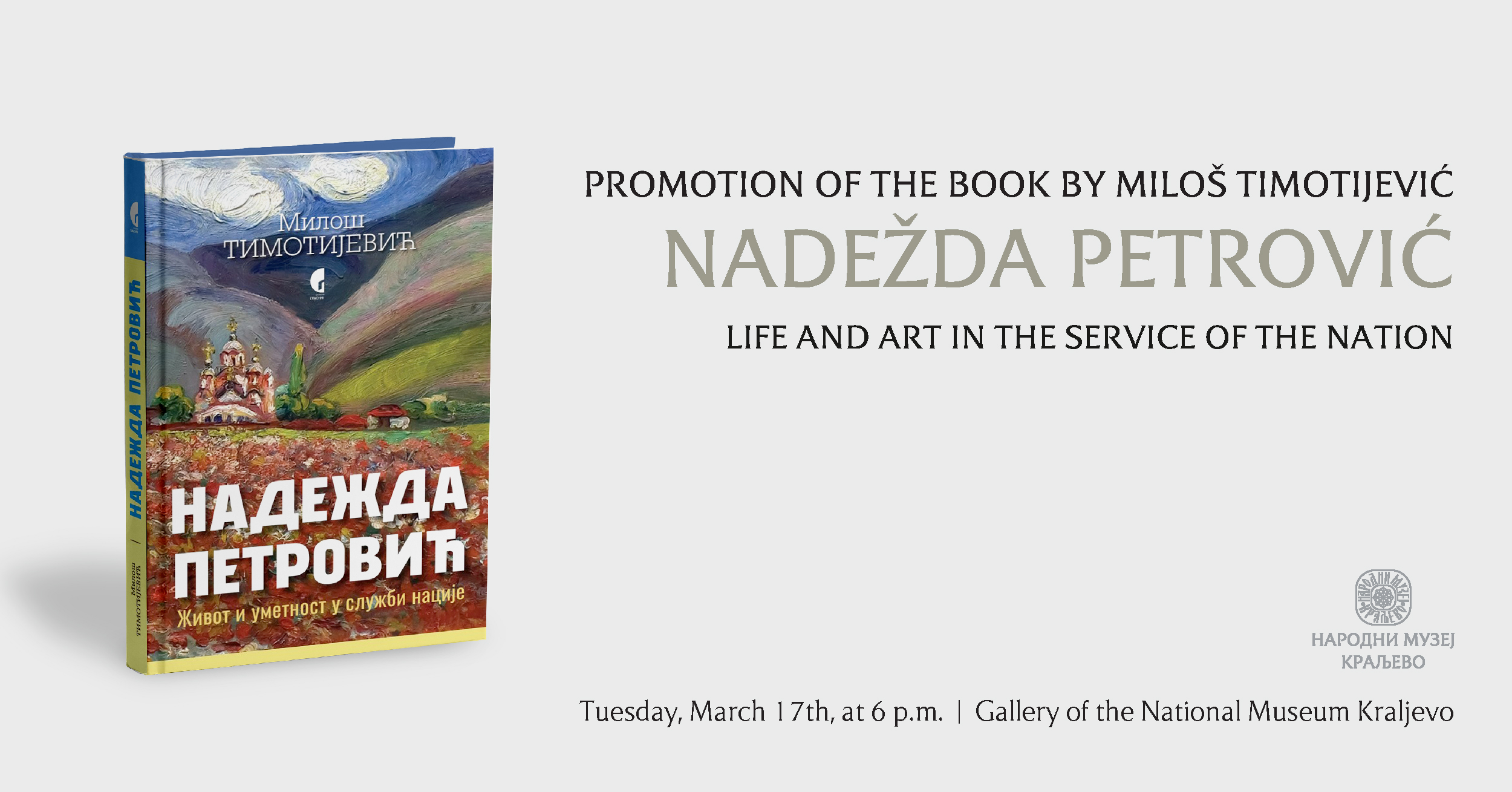
  • Nadežda Petrović: Life and Art in the Service of the Nation

    National Museum Kraljevo Trg Svetog Save 2, Kraljevo, Србија

    The work of Miloš Timotijević on Nadežda Petrović represents a thorough historiographical study that precisely places her personality within the political, cultural, and ideological context of the time, relying on archival material and documents.

  • The Serbian Royal Portrait in the Age of King Milutin

    National Museum Kraljevo Trg Svetog Save 2, Kraljevo, Србија

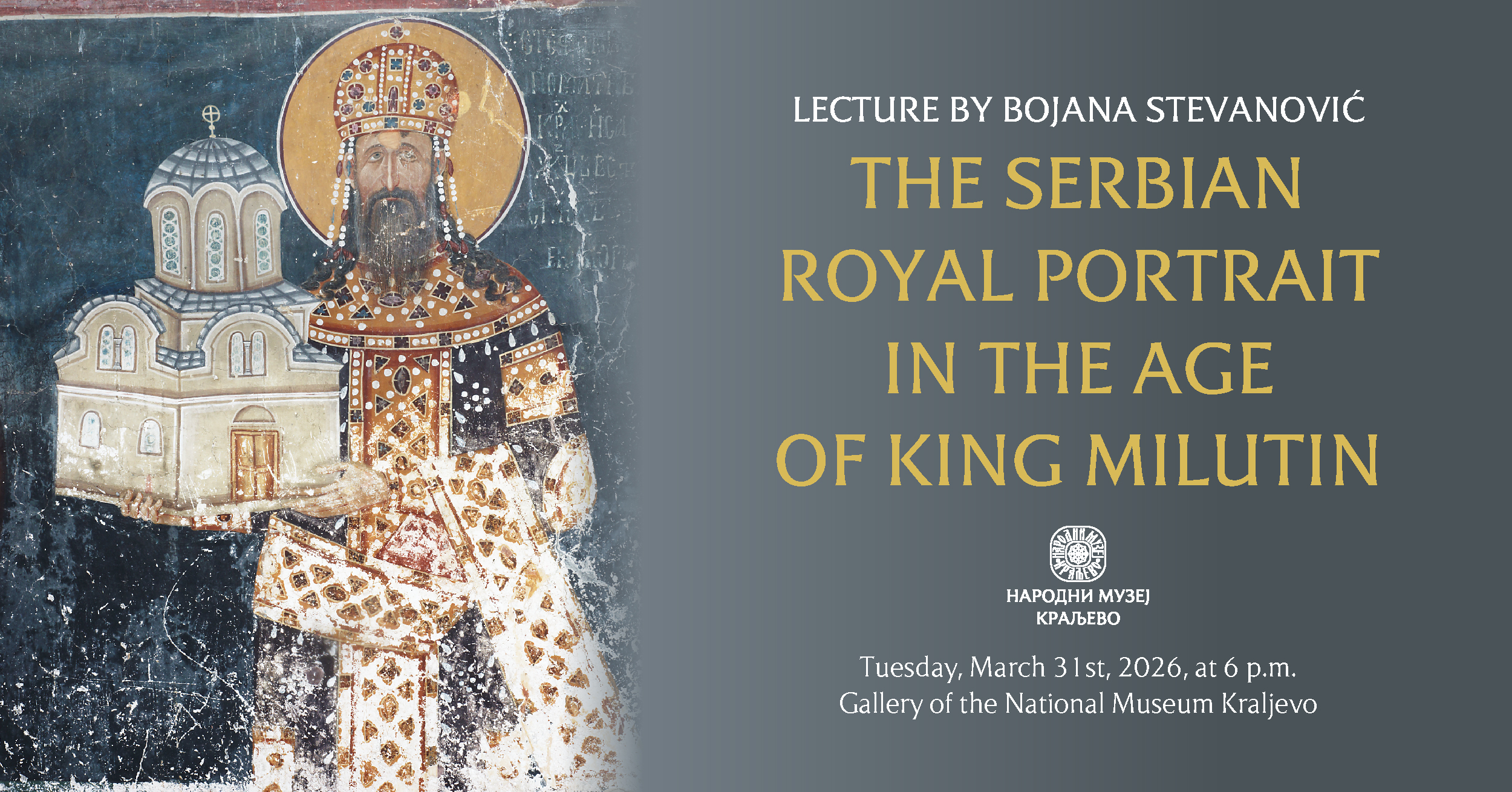
    Serbian ruler portraits from the time of King Milutin provide a complete picture of the ideology of earthly power and the preoccupations of the Serbian king and his closest circle. During the reign of King Milutin, Serbian ruler images were already fully aligned with the Byzantine ceremonial image. The portrait ensembles from this period are based on the imperial idea and laid the foundation for Serbian ruler portraits, especially those from the time of the empire.