
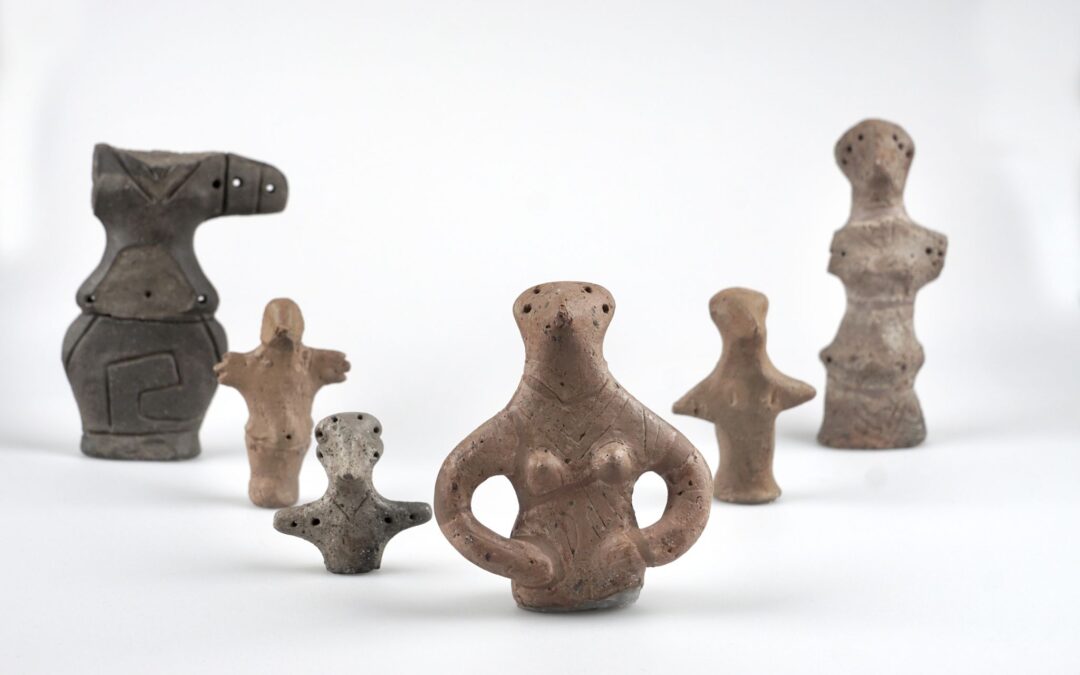
The Vinča culture belongs to the Late Neolithic, that is the Younger Stone Age, and the initial period of the Copper Age. It developed in the period from about 5300 BCE until 4500 BCE. It encompassed a wide area of the northern and central Balkans, including the territory of Serbia, Romania, Bulgaria, North Macedonia, but also Croatia (Slavonia), Bosnia, and the southern parts of Baranja in Hungary.
There are several theories that attempt to explain the origin of this culture. According to one theory, the bearers of this culture were settlers from Anatolia. On the other hand, some scholars support the theory of a gradual, local emergence of the Vinča culture, pointing to common elements it shares with the Starčevo and other earlier Balkan cultures. However, dating by radiocarbon indicates partial differences in the appearance and size of settlements and in the type of ceramics between Vinča and the cultures that preceded it, as well as a gradual demographic decline in the centuries before the appearance of Vinča. In any case, for now it is not possible to give a final answer to the question of how much the appearance of Vinča culture was influenced by potential settlers, and how much by the cultures that preceded it.
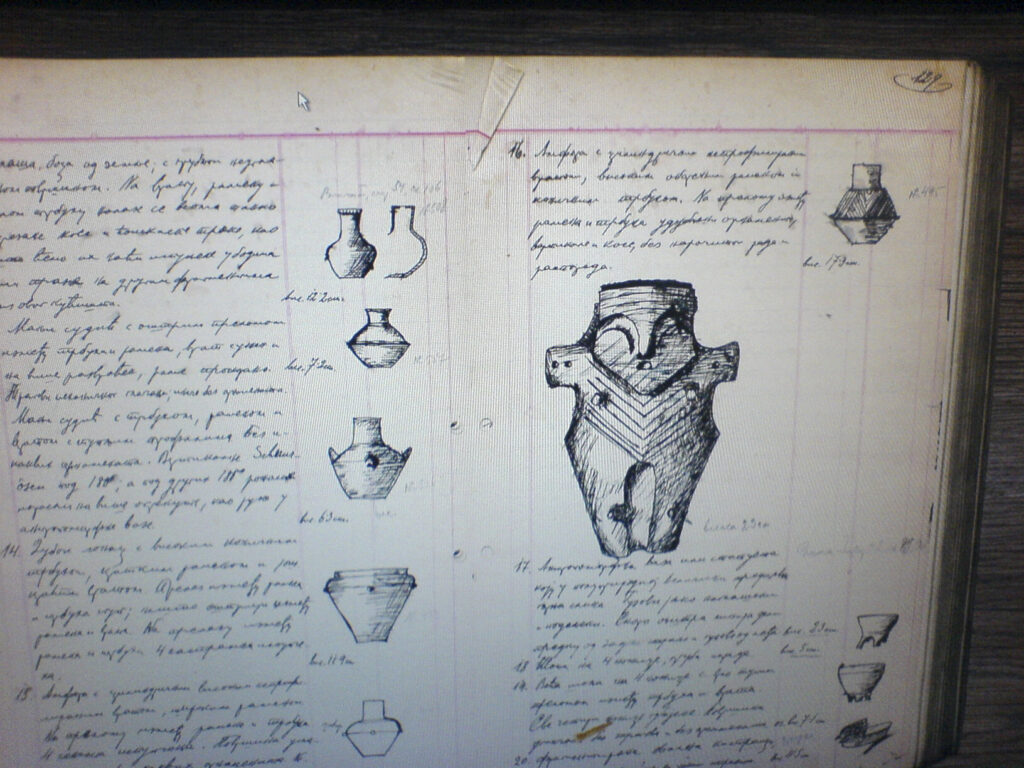
The first research of the Vinča culture was carried out by Miloje Vasić in the years before the First World War. He investigated the site Belo Brdo, located on the bank of the Danube, about 14 kilometers downstream from Belgrade. By the place Vinča in which the site is located, the entire culture received its name. Research continued at the end of the 1920s and the beginning of the 1930s. At this site a cultural layer of about 10 meters depth was discovered.
Settlements were usually built on river terraces, plateaus, or slopes near river courses, while settlements on hills were much fewer and mostly from later periods. The area of settlements was between one and almost 30 hectares. The smallest settlements had between 50 and 100 inhabitants, and the largest almost 2000. These were settlements of farmers, whose size depended on the limitations in food production. They cultivated emmer wheat, barley, lentils, peas, and flax. Of animals they raised cattle, sheep, goats, and pigs. The larger number of cattle indicates that they were also a clear sign of wealth. In addition to domestic plants and animals, members of the Vinča culture hunted wild animals and gathered edible plants and nuts. Houses of the Vinča culture were rectangular in shape, with clearly divided rooms. They had a special room for food preparation, which included a hearth and storage. The area of houses grew over time, and at some sites houses with multiple rooms, of 100 square meters, were found.
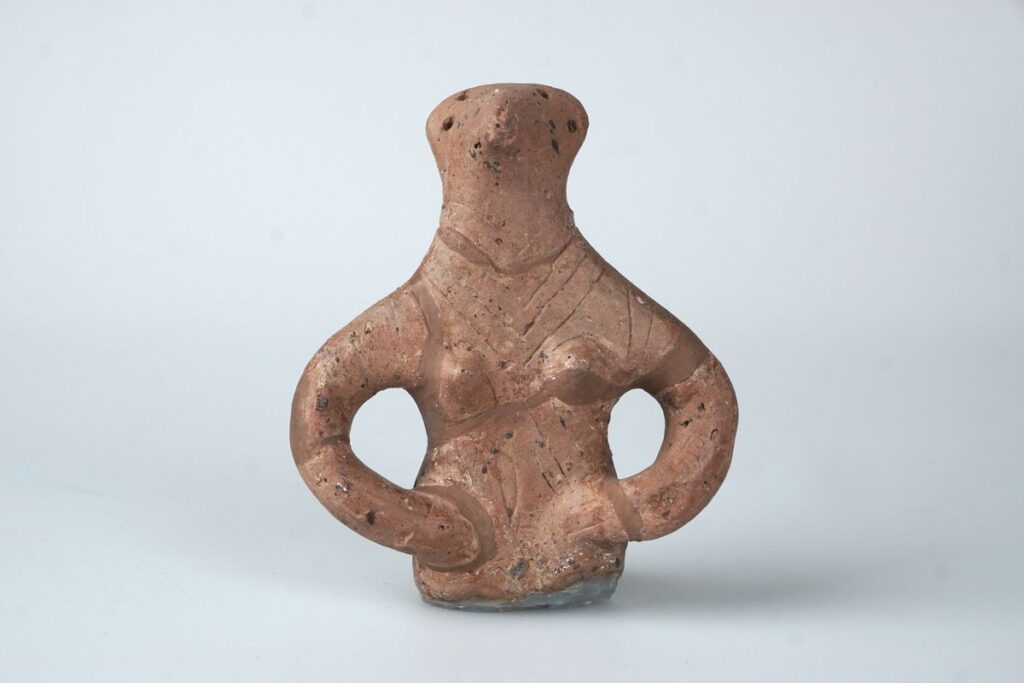
In the settlements, crafts also developed. Numerous materials were worked, such as ceramics, stone, obsidian, bone, and metals. In the so‑called Gradac phase of the Vinča culture, great changes occurred in material culture. In this period the Vinča culture stepped into the Metal Age. At the site Rudna Glava traces of metal mining were discovered, and at the site Belovode in Eastern Serbia, copper was smelted more than 7000 years ago, which is the oldest evidence of copper smelting so far, older than traces found in the Near East, which was earlier considered the cradle of metallurgy. In this period the production of figurines reached its peak, while their quality declined in later phases. Figurines probably represented votive gifts. Figures and pottery were also decorated with signs, which the media often, without scientific basis, call Vinča script.
Research of the Vinča culture has not shown traces of proto‑urbanization, nor the existence of a special group of warriors. Also, no large religious or administrative centers were discovered, which is in line with findings in other parts of the Balkan Peninsula in this period. Although only two sites containing cemeteries have been discovered so far, it can be concluded that there was some social hierarchy. These cemeteries, as well as individual graves, indicate differences in grave goods depending on the status and gender of the deceased. In the grave of one child a malachite necklace was discovered, from which it can be concluded that high social status did not derive from age, but from family ties. The cemetery discovered at the site Gomolava also shows that the deceased were buried in such a way that their mutual family ties can be observed.
The collapse of the Vinča culture has traditionally been attributed to conflicts with members of the so‑called Bubanj–Salkuca–Krivodol cultural complex, reflected in traces of burning and abandonment of settlements. This change, which occurred in the middle of the 5th millennium BCE, led to the replacement of the Vinča culture by the Bubanj–Salkuca–Krivodol complex in southern and central Serbia. At the same time, in the Pannonian Plain and areas around the Sava and Danube rivers (and their tributaries), settlements of the Tisapolgar–Bodrogkerestur culture began to develop. A smaller number of sites from the late Vinča period is noticeable, which at first glance suggests decline. However, it should be noted that most excavations were directed toward earlier sites, so later sites are less researched. Also, continuity of settlement is present at many sites. Thus, at Belo Brdo it can be established that graves of the Bodrogkerestur culture directly followed those from the Vinča period. At other sites, such as Kalenić Livade in western Serbia, traces of multiple cultures are observed, testifying to their contacts and mutual influences. Because of all this, the traditional narrative of collapse and conquest of Vinča culture by other cultures cannot be fully accepted.
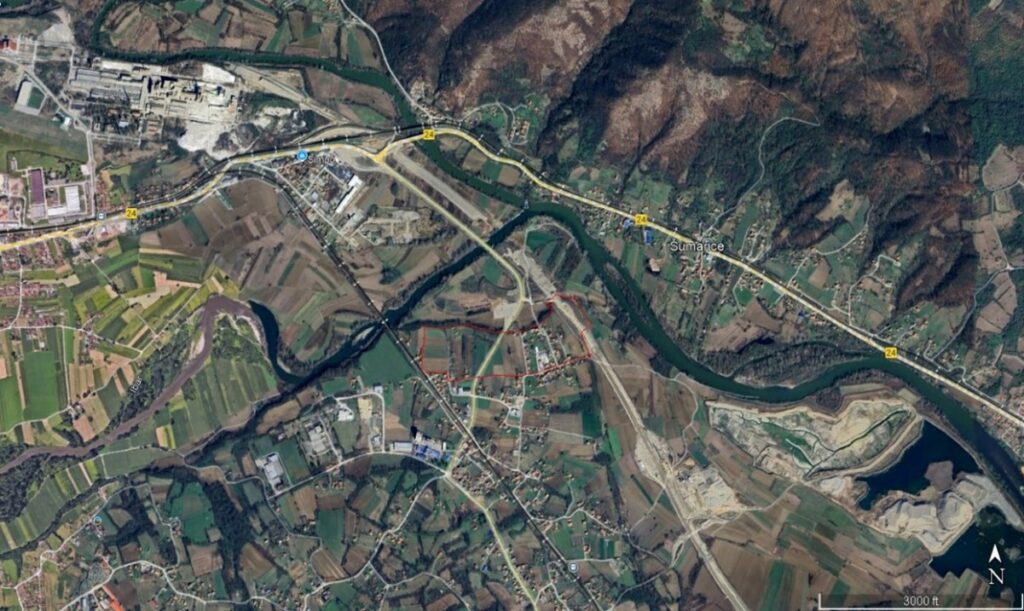
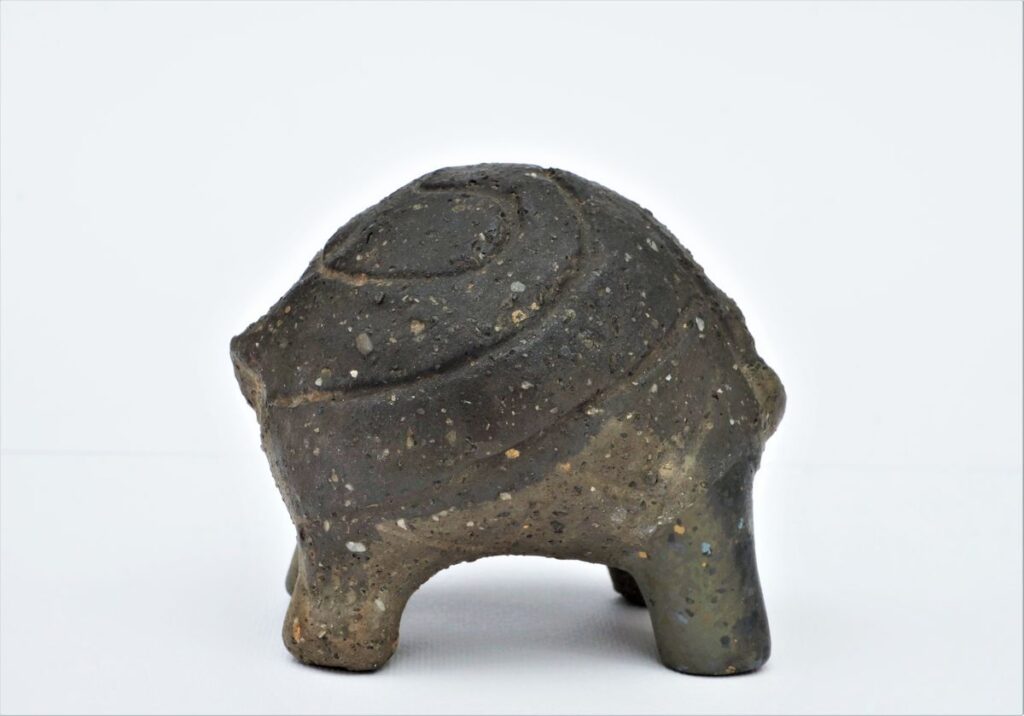
An important Vinča site was also discovered in the Kraljevo area, specifically in Ratina. The site Divlje Polje is located on a river terrace near the confluence of the Ibar and West Morava. The first finds were made by locals during the 1950s and 1960s, and intensive excavations followed in the 1980s. In 2007, protective excavations were carried out after the northeastern part of the site was damaged during construction of the Kraljevo bypass. The site covers about 56 hectares. Among the finds from the Vinča period at this site, a ritual zoomorphic terracotta rattle stands out. The sound was produced by 32 pebbles—28 black and 4 white. Because of its weight, it is unlikely to have been a child’s toy. It is possible that the 28 black pebbles symbolized the 28 nights of the lunar cycle, and the 4 white pebbles symbolized the 4 lunar phases. The Vinča settlement spread mainly in the eastern part of the site. Over time, the settlement expanded westward, but this happened later, when the Vinča culture was replaced by the Late La Tène culture. The settlement in the western part of the site was probably active until the arrival of the Romans, confirming cultural continuity in the Kraljevo area during the Metal Age.
Milena Baltić
Editor of the Education and Scientific Program
of the Official Internet Presentation of the National Museum Kraljevo