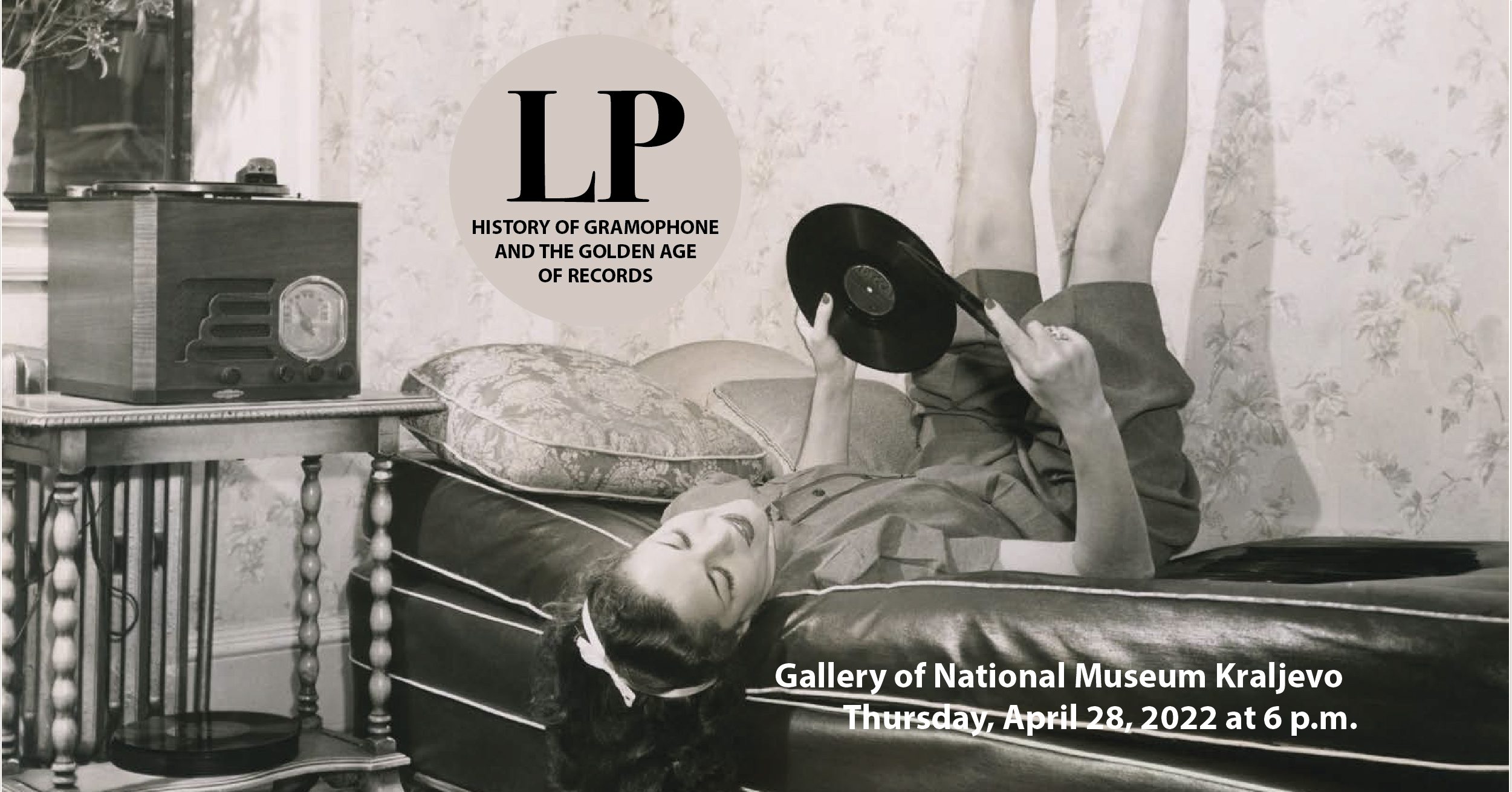
Exhibition is a joint project of the City Museum Subotica and the Museum of Science and Technology in Belgrade, which is realized with the support of the National Museum Kraljevo. The exhibition is about the popularity and golden age of gramophone records in Yugoslavia, an era that lasted several decades. The importance of one of the most important home appliances of the 20th century – His Majesty the Gramophone – has not been neglected.
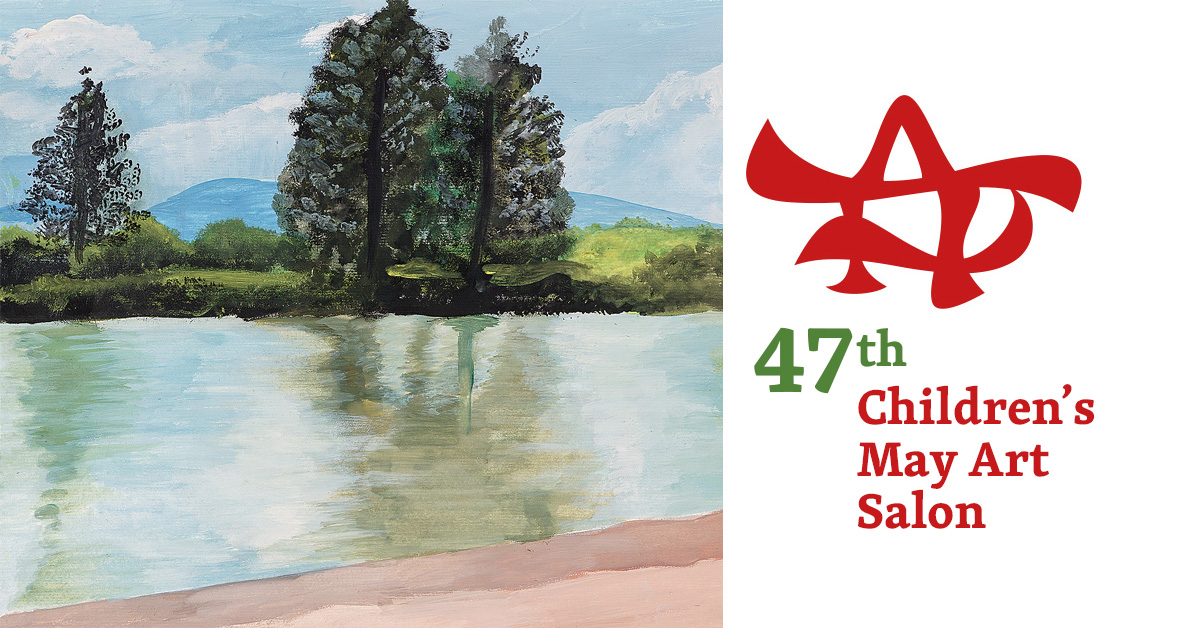
The most important and oldest exhibition of children's art in our city is being organized for the 47th time in a row, as a result of a successfully realized competition. The goal of organizing the Children's May Art Salon is to publicly present the most successful works created in school classes, emphasize the importance of art education, evaluate the work of individual art pedagogues and recognize the creative potential of students. The theme of this year's Salon is “Motif from the Ibar”, according to the title of the painting by Miodrag B. Protić, whose centenary we are celebrating on May 10th.
The evening is organized within the exhibition “LP – History of the Gramophone and the Golden Age of Records”, in cooperation with the magazine “Sidža”. Guests of the evening Mile Martić and Dragan Trifunović Ginger, owners, and disc jockeys of the disco “Integral”, one of the favorite places to go out in Kraljevo from the mid-seventies to the early eighties, will revive the atmosphere of that time with their choice of records.
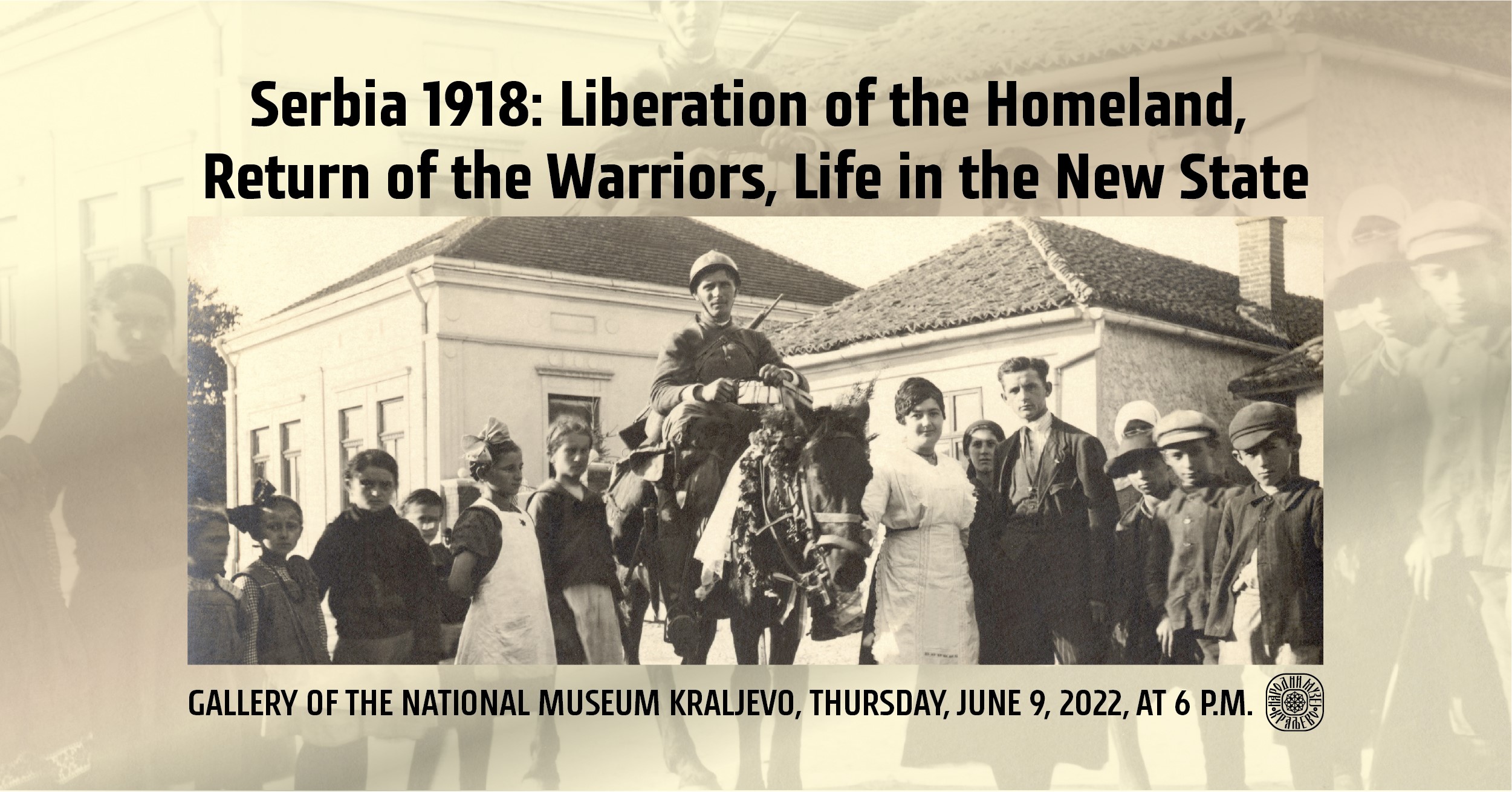
The Collection of Papers consists of 22 papers presented to the public at a scientific symposium with international participation, held in Čačak from December 7th to 8th, 2018 on the occasion of marking the centenary of the end of the First World War. The editor of the collection is Ljubodrag P. Ristić, PhD and the publishers are the Inter-Municipal Historical Archive Čačak, the Institute for Cultural and Memorial Studies Ljubljana and the Center for the History of Yugoslavia and Contemporary National History of the Faculty of Philosophy of the University of Belgrade.
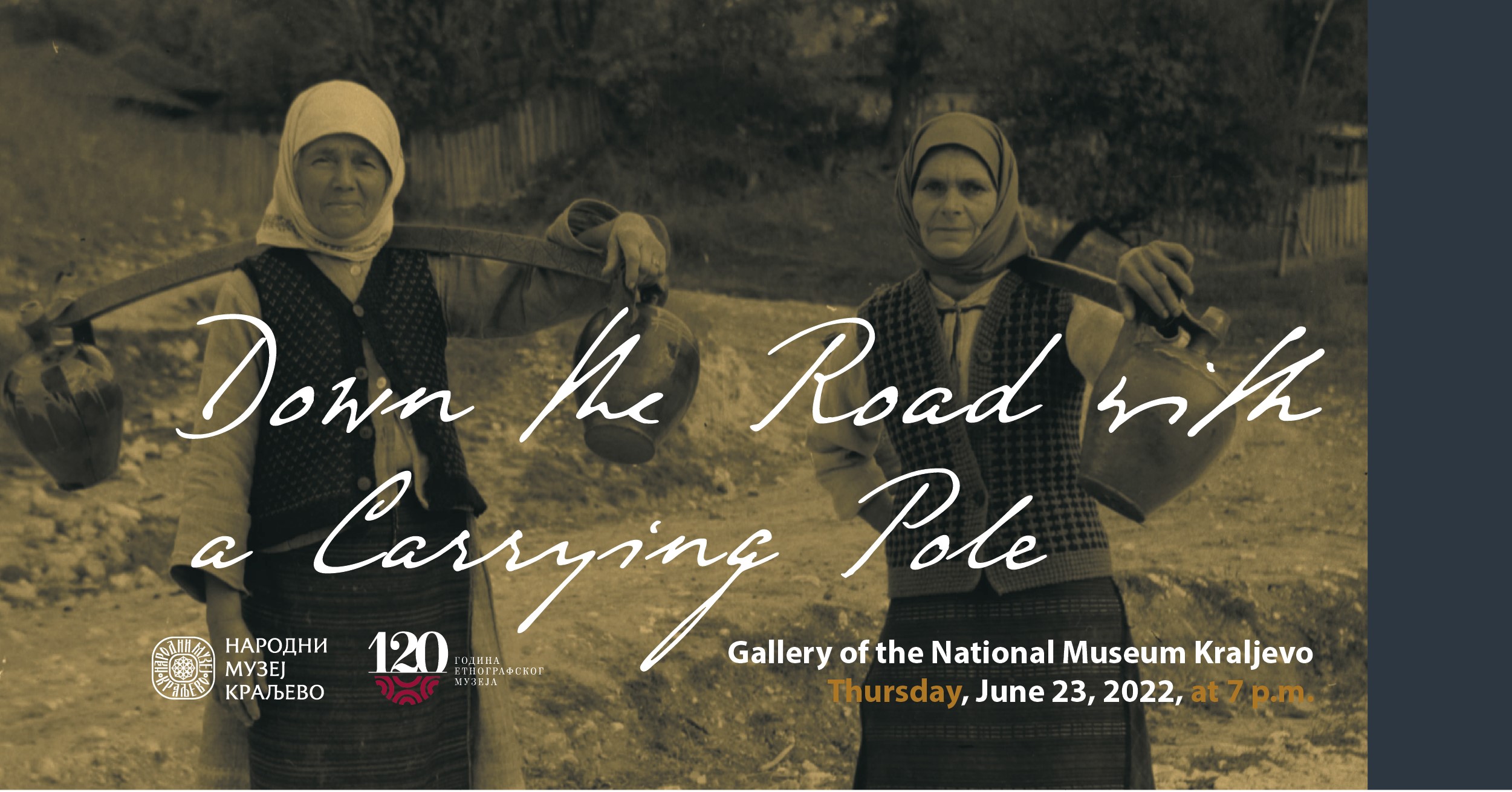
Carrying poles, arched pieces of wood, were worn on the shoulders of women in the village in the past when carrying various types of cargo. The exhibition will give visitors the opportunity to get acquainted with a seemingly simple object, which carries different messages. Based on the materials, differences in the shapes and curvature of the arch, decorations and traces of use, numerous conclusions can be drawn about the lifestyle of the people who used them, as well as entire communities.
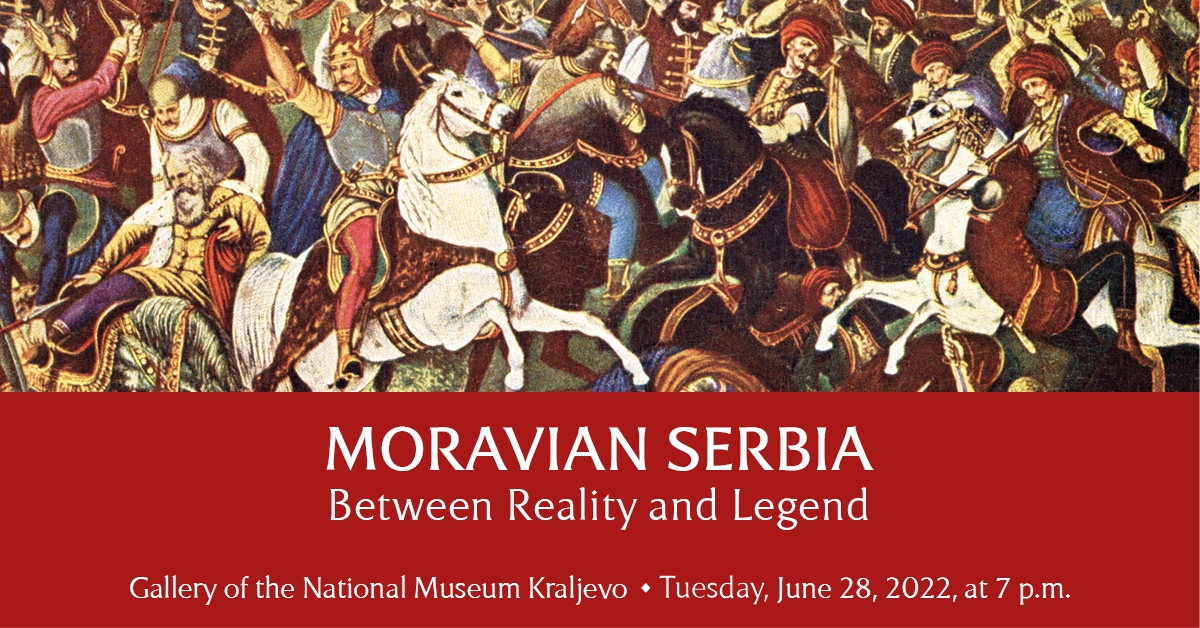
The exhibition provides an opportunity for visitors to get acquainted with the origin of the city of Kruševac in 1371, the construction of the church of Lazarica, the first years of the reing of the city's founder, Prince Lazar Hrebeljanović (1329-1389), as well as during the Battle of Kosovo.