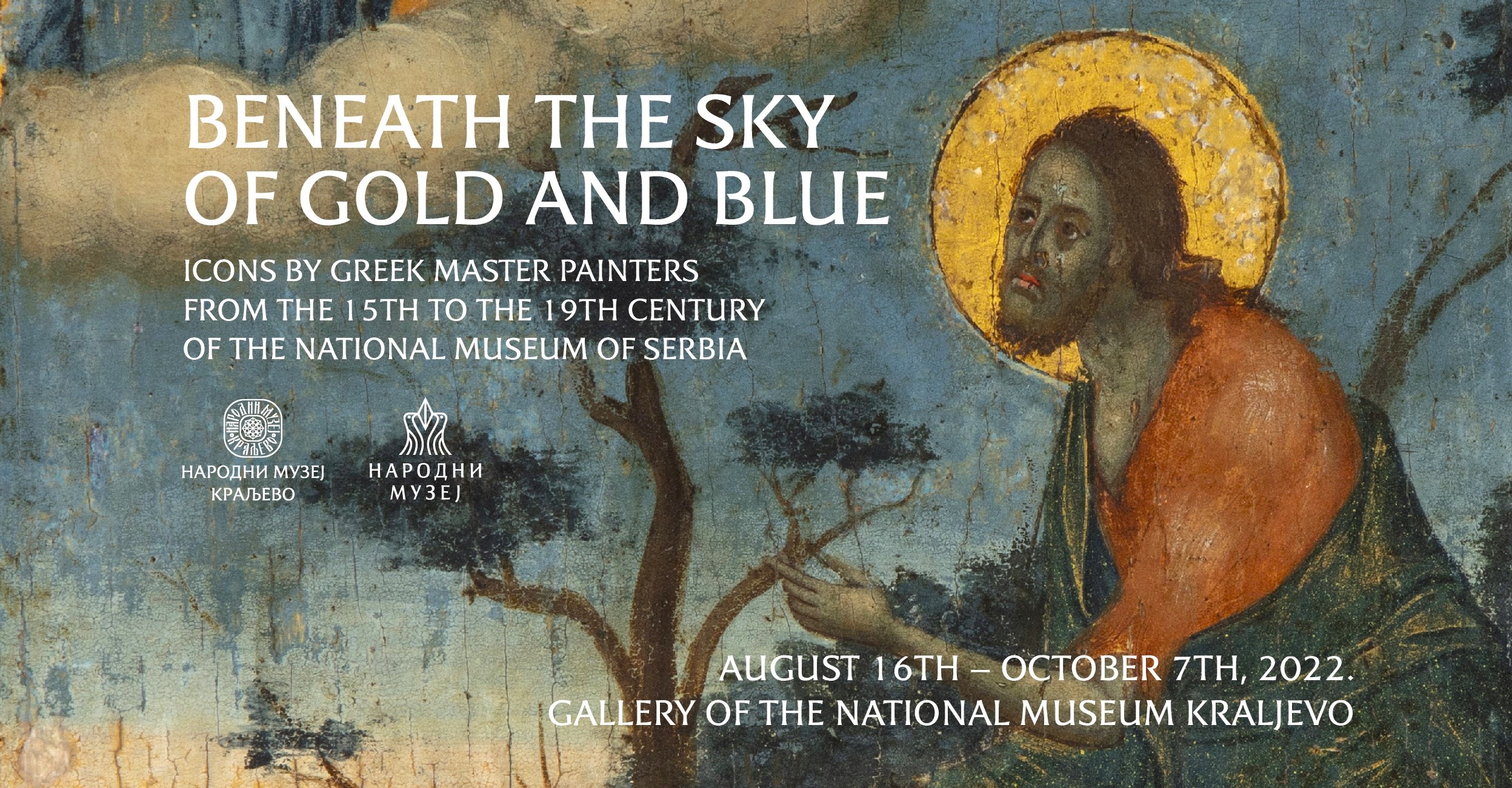
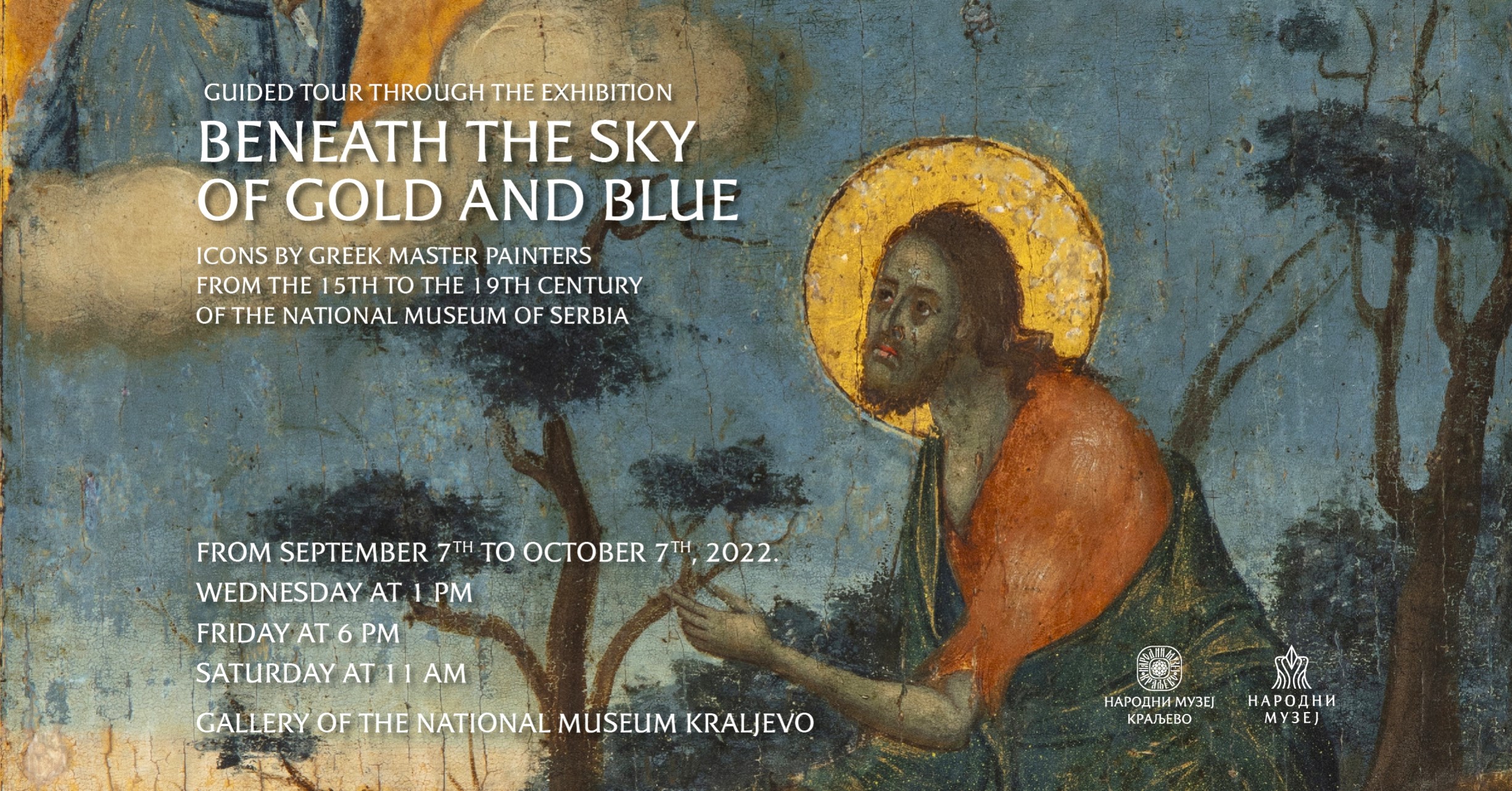
Within the selection of the author of the exhibition, Branka Ivanić, museum advisor of the National Museum of Serbia, 147 icons were included in the exhibition. These are icons from the territories of traditional Greek countries, as well as from a wider area within the Ottoman Empire and neighboring countries where the influences of Greek culture remained recognizable.
Art historians Jovana Durman and Jelena Marković will guide you through the exhibition about Greek icon painters during the long period of Ottoman rule in the Orthodox area of the Balkans, the Adriatic and the Mediterranean every Wednesday and Friday from 1 p.m.
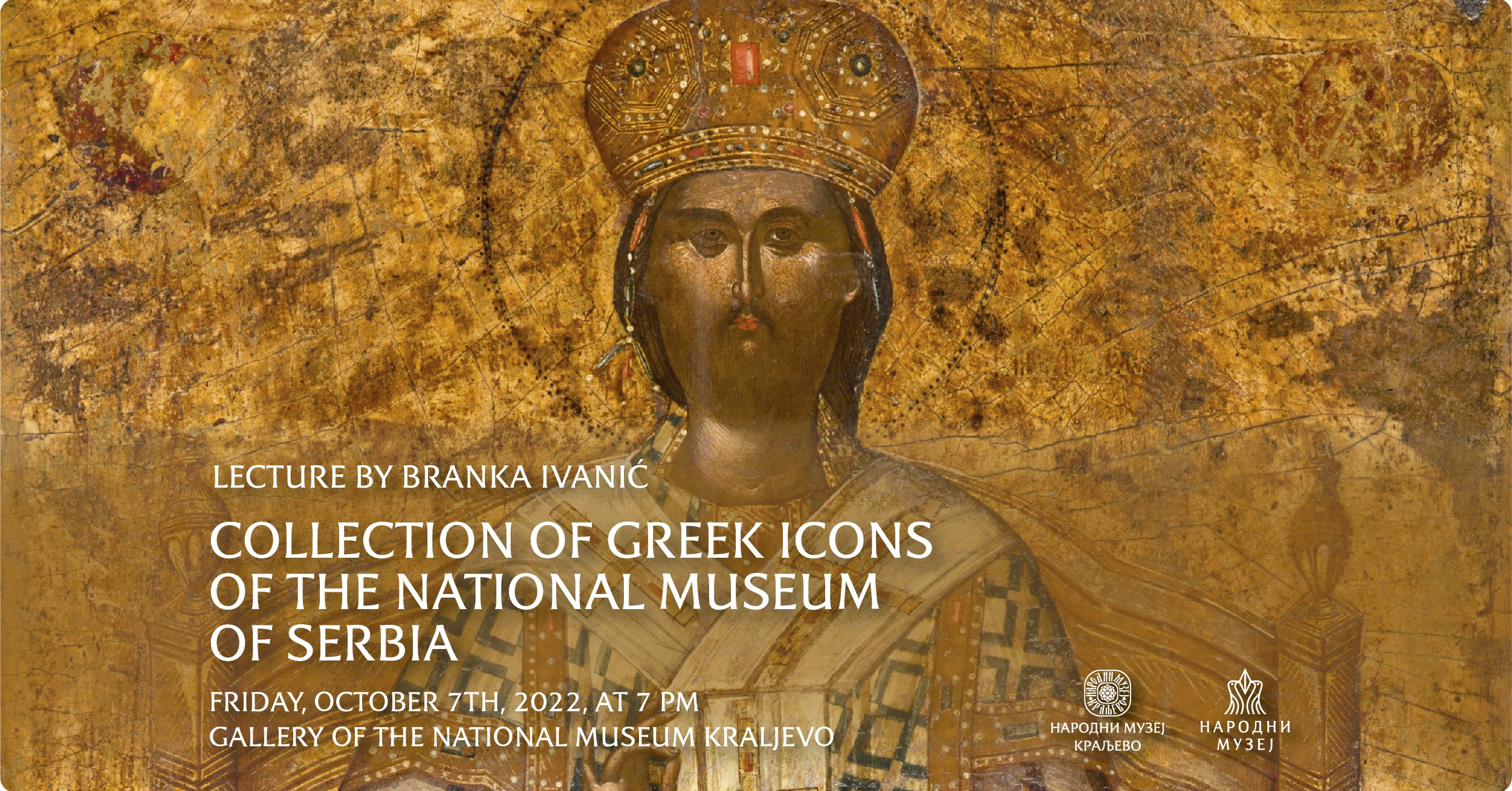
The lecture is held as part of Kraljevo's Day, the day of the City of Kraljevo, when the Serbian Orthodox Church celebrates St. Simon, that is, St. King Stefan the First-Crowned, founder of Žiča.
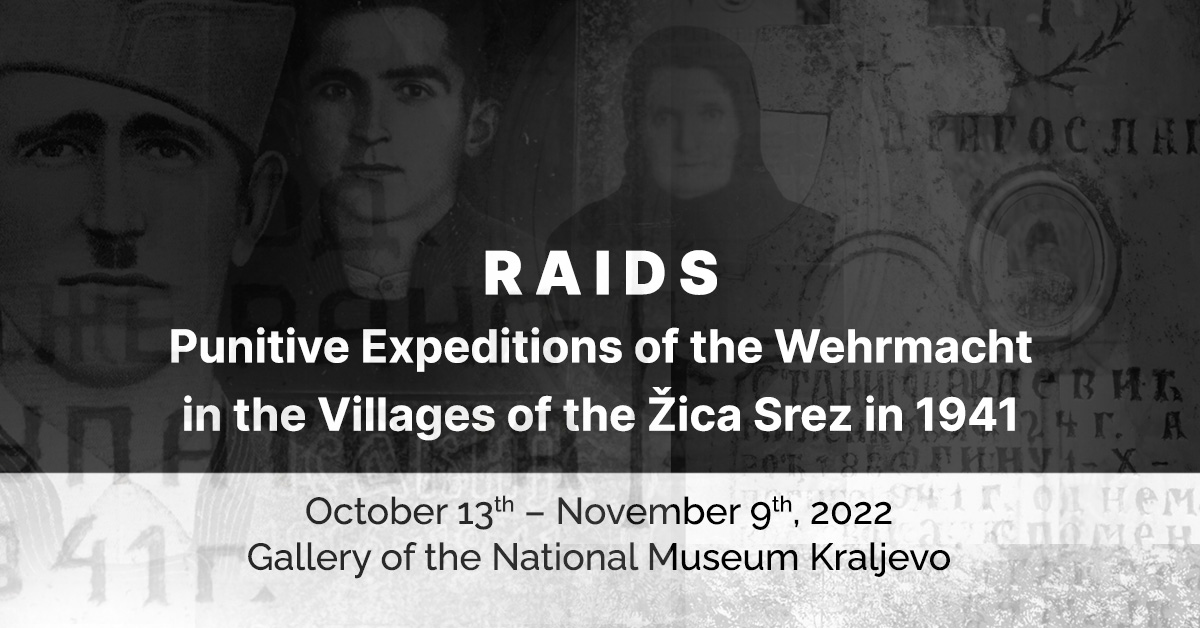
Raids by the German army in the surrounding villages that began in September 1941 had the character of selective punitive measures, directed against specific individuals. However, with the spread of the uprising, the intensification of actions and the expansion of the area of influence, the German troops will move on to retaliatory measures against the entire population of a certain place. The consequences of these punitive expeditions were: the suffering of the civilian population, looted and burned households, destroyed crops and decimated livestock.